1 Aug 2026
Why Do Drinks Taste Different From Sip to Sip?
Why do drinks taste different? Learn how temperature, glassware, setting, food and your senses shape flavour, so every pour becomes easier to understand.
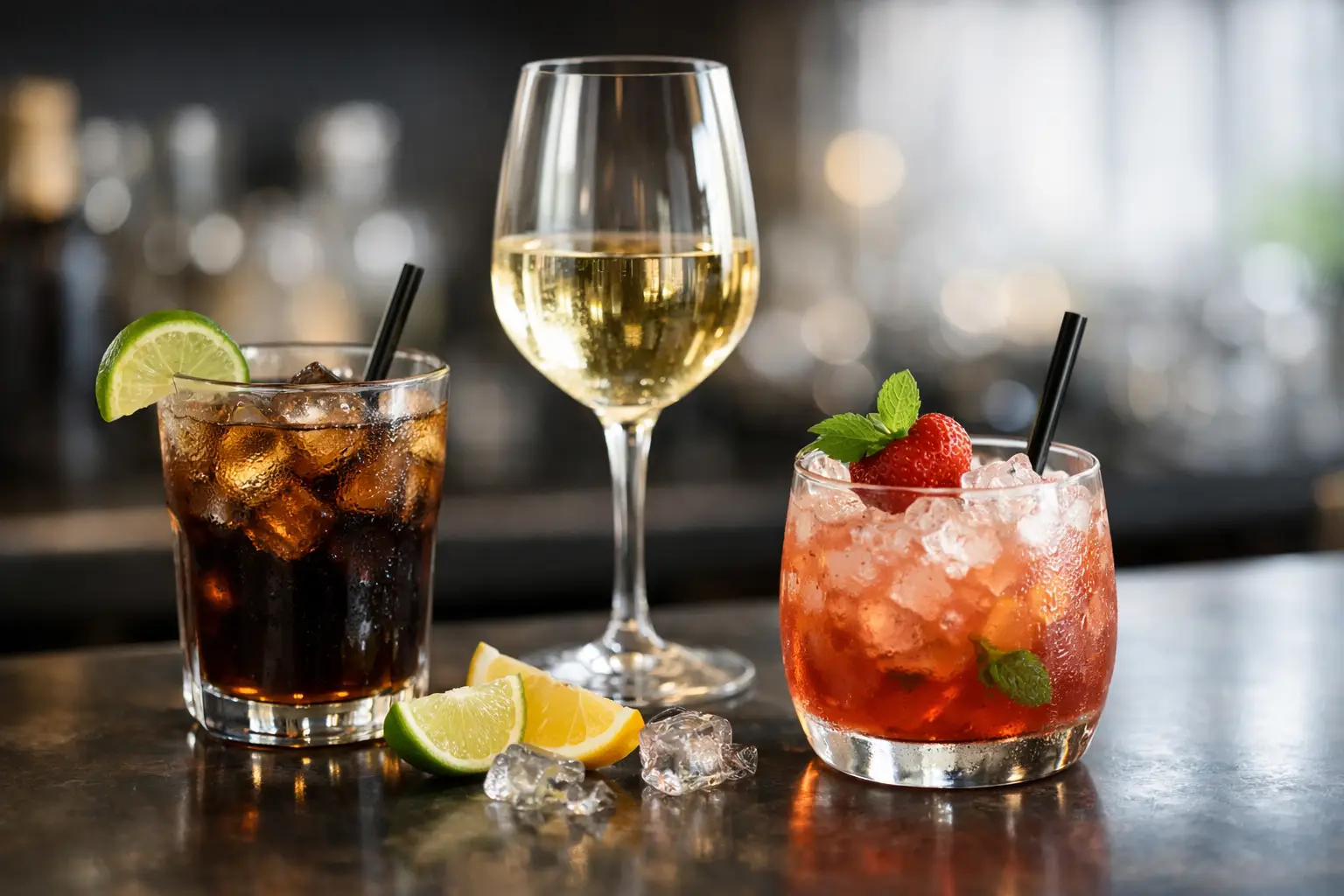
A whisky can seem beautifully honeyed one evening and oddly sharp the next. A familiar red wine may feel smooth with dinner but heavy on its own. If you have ever asked, why do drinks taste different, even when the bottle has not changed, you are noticing something real. Flavour is not fixed inside the glass. It is a conversation between the drink, your senses and the moment in which you taste it.
That is reassuring rather than inconvenient. You do not need a perfect palate or a shelf full of specialist equipment to taste with more confidence. You only need to understand the few conditions that can change what reaches your nose and mouth.
Why do drinks taste different at different temperatures?
Temperature is one of the quickest ways to alter a drink's character. Cold suppresses aroma, sweetness and some flavours, while making acidity, bitterness and alcohol feel more restrained. As a drink warms, more aromatic compounds rise from the glass, which can make it appear fuller, fruitier or more expressive. It can also make heat and sweetness more obvious.
Think of a pale lager straight from the fridge. It may feel crisp, clean and refreshing, with little detail beyond its bitterness and carbonation. Give it ten minutes and the malt may become more noticeable, alongside herbs, citrus or bread-like notes. Neither version is necessarily better. The colder serve may suit a warm afternoon; the slightly warmer one may reveal more of what the brewer intended.
Wine follows the same principle. A very cold white can taste muted and lean, while an over-warm white may feel soft, alcoholic and less fresh. Light reds often gain lift from a short chill, whereas a substantial red can seem closed if served too cool. With whisky, lowering the temperature can soften the impression of alcohol but may narrow its aromatic range.
There is no single correct temperature for every bottle. Style, room temperature and personal preference all matter. The useful habit is simply to taste once, wait a few minutes, then taste again. Notice what becomes clearer.
Your nose does more work than you think
What most people call taste is largely aroma. Your tongue detects basic sensations such as sweetness, acidity, bitterness, saltiness and savouriness. Your nose supplies much of the detail: lemon peel, vanilla, roasted nuts, blackcurrant, smoke, blossom or damp earth.
That is why a blocked nose can make food and drink seem unusually bland. It is also why the first smell from a glass matters. Swirl a still wine gently or let a spirit sit for a moment, and fresh aroma compounds are released. A beer poured into a glass can show more than the same beer sipped directly from a bottle or can, partly because you can smell it properly.
Aroma also changes as the liquid meets air. A newly opened wine may initially seem tight, reductive or dominated by oak. After a little air, fruit and floral notes can emerge. A pour of whisky may move from alcohol warmth towards dried fruit, spice or cereal as it rests. This is not a trick of imagination. Oxygen and evaporation change which compounds are most available to smell.
The trade-off is time. Too much air can flatten a delicate sparkling wine, and an open bottle will eventually lose its freshest aromas. For a single glass, however, giving yourself a few unhurried minutes often reveals more than an immediate judgement can.
Glassware changes more than appearance
Glassware does not turn an ordinary drink into a different product, but it can influence how you encounter it. The shape of the rim guides aroma towards your nose. The width of the bowl affects how much surface area is exposed to air. A narrow flute preserves bubbles well, for example, while a wider glass may make a sparkling wine's aroma easier to explore.
For wine and spirits, a clean, neutral-smelling glass is more helpful than an expensive collection. Residual washing-up liquid, cupboard odours or a strongly scented candle nearby can interfere with delicate notes. A glass that gives you room to swirl and smell is usually enough.
Mouthfeel changes too. A fine rim can make a wine feel more elegant; a thick tumbler can make the same pour feel more casual and direct. Carbonation may seem livelier from one vessel than another. These effects are subtle, but sensory experience is built from subtle signals.
Food, timing and your own palate
The sip before a drink can alter the next one. A sweet dessert may make a dry sparkling wine taste more austere. Salty crisps can make beer feel rounder and less bitter. Rich, fatty food can soften the grip of tannin in red wine, while chilli can amplify the perceived heat of high-alcohol drinks.
Coffee, mint toothpaste, chewing gum and strongly flavoured snacks can all leave a temporary mark on your palate. Even something as simple as being thirsty can change your reaction: the first cold sip may seem more refreshing and pleasant because your body is responding to relief as well as flavour.
Your physical state matters as well. Fatigue, stress, a cold, medication and dehydration can affect smell, taste sensitivity and tolerance for bitterness or alcohol warmth. Hormonal changes can do the same. If a favourite bottle seems unfamiliar, it does not automatically mean the bottle is faulty or your judgement is wrong. The context may simply be different.
This is one reason tasting notes are best treated as observations, not exams. “More tart than I remember” is useful. “I cannot taste the right thing” is not. There is no prize for finding the most obscure descriptor. The valuable question is whether the drink feels balanced, enjoyable and suited to the moment.
Expectation can shape flavour, but not invent it
Labels, price, occasion and company all influence perception. A special bottle opened at a celebration can seem more memorable because the setting is meaningful. A drink presented as rare or expensive may receive more attention before the first sip. The colour of a beverage can even prime us to expect certain flavours.
That does not mean flavour is imaginary. It means the brain interprets sensory information rather than recording it like a machine. The same applies to music, lighting and conversation. In a noisy room, you may notice less aroma and more immediate texture. In a quiet setting, you may pick up details that were there all along.
This is worth knowing because it removes pressure. You can enjoy a drink at a lively dinner and also return to it later for a more focused tasting. Both experiences are valid, but they answer different questions.
A simple way to taste more consistently
When you want to understand a bottle rather than merely finish a glass, keep the conditions simple. Pour a modest measure into a clean glass, avoid strongly scented surroundings, and give it a minute before smelling. Take a small sip, let it travel across your palate, then notice what remains after you swallow.
Instead of searching for exact flavours immediately, begin with a few practical prompts. Does it feel light or rich? Is the fruit fresh, ripe or dried? Does the finish disappear quickly or linger? Is the texture creamy, watery, tannic, fizzy, oily or warming? These are reliable starting points for wine, beer, whisky and many other spirits.
Then compare. Taste the drink a little cooler and a little warmer. Try it before and with food. Revisit it on another evening. A saved note becomes far more useful when it captures the conditions as well as the flavour: “better after ten minutes”, “lovely with salty cheese”, or “too sweet after dessert”.
Audio Sommelier is built around this kind of calm, guided comparison: helping you turn an impression into language, then keep a tasting memory you can return to when choosing your next bottle.
When a difference may signal a problem
Most variation comes from serving conditions and perception, but occasionally the drink itself has changed. Wine can be affected by cork taint, oxidation or heat damage. Beer can become stale, especially when it has been stored warm or exposed to light. Spirits are generally stable after opening, though their aroma may slowly soften if very little remains in the bottle over a long period.
Look for clear warning signs rather than normal variation. A wine that smells persistently of damp cardboard, a beer that has lost its expected freshness and tastes papery, or a sparkling wine that is unexpectedly flat may be compromised. If in doubt, compare with another bottle of the same drink where possible.
The most rewarding tasting habit is not trying to make every pour taste identical. It is becoming curious about the difference. Pause, smell, sip and name one thing that has changed. Over time, those small observations make every glass easier to understand and more enjoyable to remember.