4 Jul 2026
How to Identify Mouthfeel in Drinks
Learn how to identify mouthfeel in drinks with simple tasting cues for wine, beer, whisky and more, so every sip becomes easier to describe.
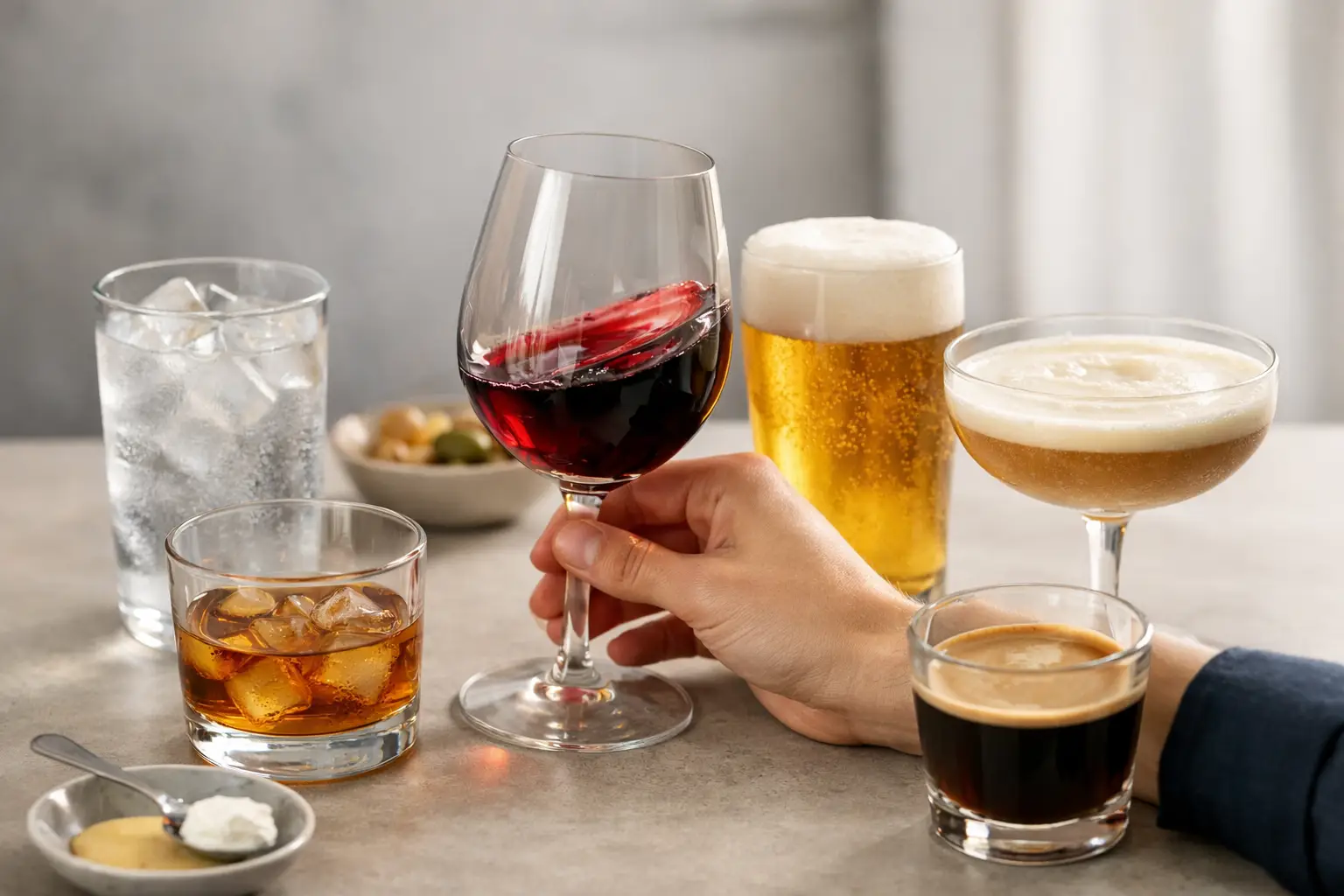
A drink can smell vivid, taste balanced, and still leave you unsure how to describe it once it reaches your mouth. That missing piece is often texture. If you want to know how to identify mouthfeel in drinks, start by paying attention to what the liquid does physically - its weight, grip, creaminess, warmth, fizz, and the way it moves across your palate.
Mouthfeel is one of the fastest ways to make tasting feel less vague. You do not need specialist training to notice it. You simply need a calmer way to separate texture from flavour, because “fruity” and “smooth” are not doing the same job. One describes taste and aroma. The other describes sensation.
What mouthfeel actually means
Mouthfeel is the tactile side of tasting. It is what you feel in your mouth rather than what you smell or taste. Think of it as the texture and physical behaviour of a drink from first sip to finish.
That can include whether a wine feels light or broad, whether a beer feels creamy or sharp with carbonation, whether a whisky feels oily, drying or hot, or whether a sparkling wine feels fine and elegant rather than aggressively fizzy. These are not minor details. They often explain why two drinks with similar flavour notes feel completely different to drink.
The useful part is this: mouthfeel is usually easier to notice than people expect. Most beginners already sense it. They just have not yet attached reliable language to it.
How to identify mouthfeel in drinks step by step
The simplest approach is to slow down the sip and give yourself one clear question at a time.
Start with temperature. A very cold drink can hide texture, while a warmer one may reveal more body, alcohol warmth, creaminess or viscosity. This does not mean every drink should warm up fully, only that texture is easier to read when the serving temperature is sensible.
Then take a small sip and let it move across the whole mouth before swallowing. Do not rush straight to flavour. Ask first: does this feel light like water, medium like juice, or fuller like cream? That single comparison often gives you your first accurate clue.
Next, notice movement. Does the drink glide easily, cling slightly, or feel thick and coating? A whisky with an oily texture behaves differently from a crisp lager that feels lean and quick. A dessert wine may seem to spread and linger, while a dry white might feel brisk and narrow.
After that, look for tactile signals. Is there a drying effect on the gums or tongue? Is there a prickle from alcohol or carbonation? Does the texture feel silky, chalky, creamy, foamy, smooth, plush or tight? You are not looking for poetic language here. You are looking for useful language.
Finally, pay attention after swallowing. Some mouthfeel cues arrive late. Tannic red wine may leave your mouth dry. Sparkling wine may continue to fizz. Higher-strength spirits may leave a warming trail. The finish is often where texture becomes easiest to name.
The core mouthfeel cues to recognise
When people learn how to identify mouthfeel in drinks, they usually get the most value from a short set of recurring cues rather than an enormous vocabulary list.
Body is the first. Body refers to weight and presence in the mouth. Light-bodied drinks feel delicate and less dense. Full-bodied drinks feel broader, heavier and more substantial. You are not judging quality here. A light-bodied drink can be elegant and refreshing, while a full-bodied one can feel comforting and rich.
Texture is the next layer. This is where words like silky, creamy, oily, velvety, lean or watery become useful. Texture helps explain how the liquid behaves rather than how much of it seems to be there.
Astringency matters particularly in wine, tea-based drinks, some beers, and wood-aged spirits. This is the drying, slightly puckering sensation that makes your gums and cheeks feel gripped. It is tactile, not a flavour. People often confuse it with bitterness, but they are different sensations.
Carbonation shapes mouthfeel too. Fine bubbles can feel elegant and soft, while large or aggressive bubbles can seem sharp or frothy. In beer and sparkling wine, the style of carbonation changes the entire feel of the sip.
Alcohol warmth is another cue. In spirits especially, but also in stronger wines and beers, you may feel a warming or prickling sensation in the mouth, throat, or chest. A little warmth may feel balanced. Too much can feel harsh. It depends on the style and the way the drink carries its strength.
Sweetness can also affect texture. Even when sweetness is a taste, it often gives an impression of roundness, softness or viscosity. A dry drink may feel more angular. A sweeter one may seem broader and smoother.
Mouthfeel in different drinks
The same tasting skill works across categories, but the cues show up differently.
Wine
In wine, mouthfeel often comes from body, acidity, tannin, alcohol and sugar. A crisp Sauvignon Blanc might feel light, sharp and narrow, with acidity giving it tension. A Chardonnay with oak contact may feel broader and creamier. In red wine, tannins can create a drying frame that some people describe as grippy or structured.
Sparkling wine adds bubble texture to the equation. Fine mousse tends to feel softer and more integrated. Larger bubbles can feel louder and less refined.
Beer
Beer gives clear mouthfeel signals because carbonation, malt, foam and body are easy to detect. A stout may feel creamy and full, while a pilsner often feels lean, brisk and crisp. Wheat beers can seem soft and pillowy. Highly carbonated styles may feel lively or prickly.
Bitterness can complicate things slightly. If a beer feels sharp, ask whether that is bitterness on the palate or carbonation on the tongue. Sometimes it is both.
Whisky and spirits
With whisky and other spirits, texture often shows itself as oiliness, heat, sweetness and finish. Some drams feel silky and rounded. Others feel drying, peppery or quite spirited. Wood influence can add grip, while higher alcohol can intensify warmth.
Adding a few drops of water can change mouthfeel as well as aroma. It may soften heat, widen texture, or make the spirit feel thinner. Neither result is wrong - it simply helps you notice more clearly.
Liqueurs and fortified wines
These drinks often make mouthfeel easier to identify because sugar and viscosity are more obvious. They may feel rich, thick, glossy or coating. The key is to notice whether that richness feels balanced by freshness, alcohol, bitterness or spice.
Common mistakes when judging mouthfeel
The biggest mistake is confusing flavour intensity with texture. A bold-tasting drink is not always full-bodied. Something can taste powerful yet still feel relatively light.
The second is using “smooth” for everything. Smooth can be helpful, but only if you know what you mean by it. Do you mean low alcohol burn, soft texture, low tannin, rounded sweetness, or gentle carbonation? The more specific you become, the more useful your tasting notes become.
Another common issue is serving temperature. Drinks that are too cold can seem simpler and thinner. Drinks that are too warm can feel heavy or alcoholic. If something seems difficult to read, temperature may be part of the reason.
Finally, avoid assuming there is one correct description. Mouthfeel is physical, but your sensitivity to tannin, carbonation or alcohol warmth may differ from someone else’s. The goal is not to pass an exam. The goal is to notice consistently and describe honestly.
A simple practice method that works at home
Choose two drinks in the same broad category and compare them side by side. Two white wines, two beers, or two whiskies will do. Take a sip of the first and focus only on body. Then taste the second and ask which feels lighter or heavier.
On the next round, focus only on drying sensation, then only on carbonation, then only on warmth or creaminess. This is often easier than trying to capture everything at once. Comparison creates contrast, and contrast makes texture far easier to identify.
It also helps to save a short note after each tasting. Even one line such as “light body, crisp, slightly drying finish” is enough to build a memory. Over time, those notes become a practical reference for what you actually enjoy. This is where guided tasting can be especially useful, because hearing the right prompt at the right moment helps turn a vague impression into a repeatable skill. Audio Sommelier is designed around exactly that kind of first sip confidence.
Mouthfeel is not an advanced extra. It is one of the clearest ways to understand why a drink feels satisfying, refreshing, weighty or elegant. Once you start noticing texture on purpose, your tasting language becomes calmer, clearer and far more personal - and every bottle you already own has more to teach you.