27 Aug 2026
What a Digital Sommelier App Should Really Do
A digital sommelier app brings calm, guided tasting to the bottles you own, helping you notice flavour, build vocabulary and remember favourites clearly.
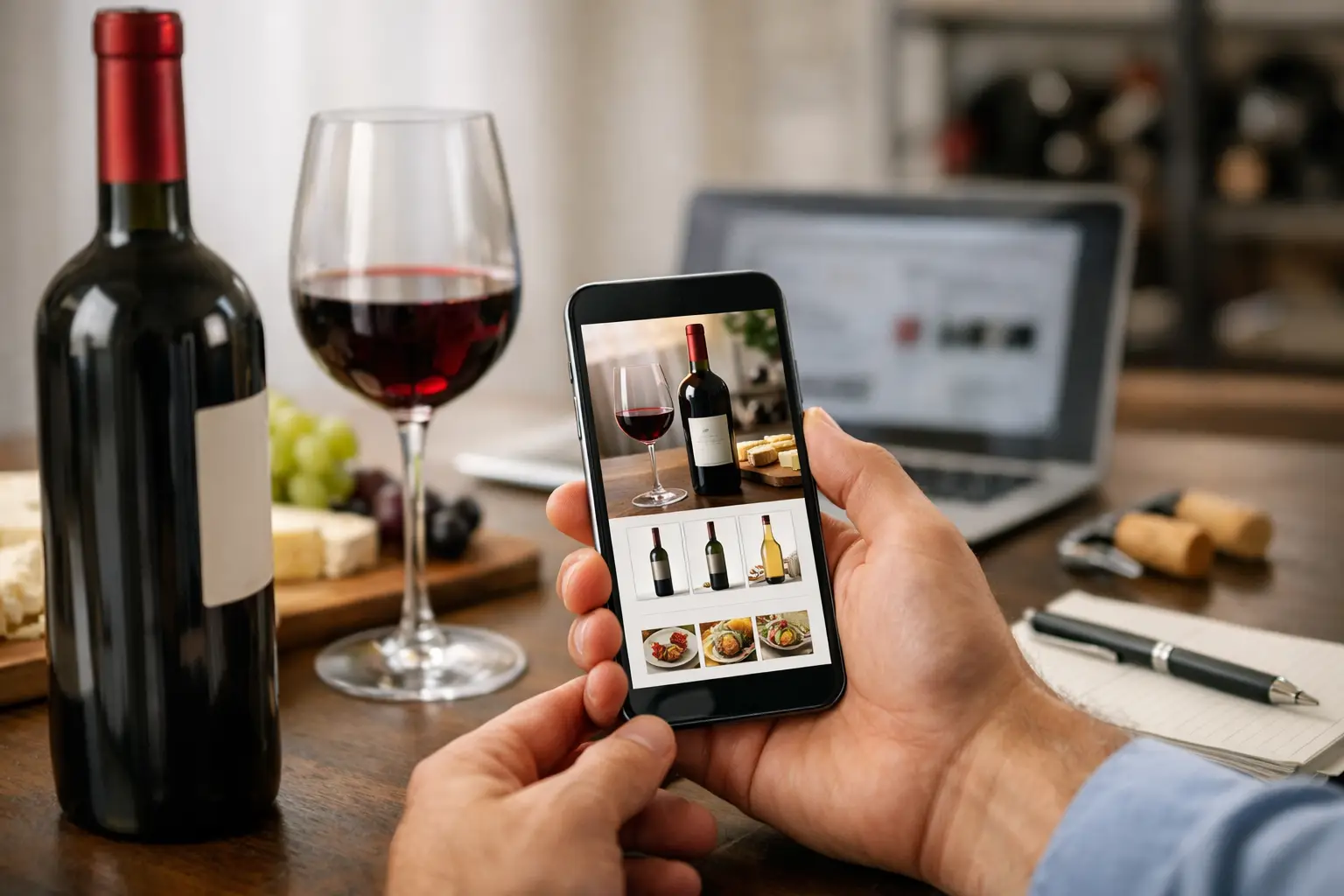
You open a bottle you have been looking forward to, pour a glass, take a sip - and then wonder what, exactly, you are meant to notice. Is that fruit, spice, oak, or simply a flavour you do not yet have words for? A good digital sommelier app meets that moment with useful guidance, not a performance. It helps you slow down, taste with more confidence and enjoy the bottle already on your table.
That distinction matters. Tasting should not feel like a test you can fail. Whether you have chosen a modest weeknight red, a single malt for a quiet evening or a sparkling wine for friends, the point is to understand your own experience a little better.
A digital sommelier app is more than a recommendation tool
Many drinks apps are built around discovery: scan a label, read ratings, find similar bottles and perhaps receive a food-pairing suggestion. Those features can be useful before a purchase. They are less helpful once the cork is out and you are trying to make sense of what is in the glass.
A thoughtful digital sommelier app focuses on the tasting itself. It gives structure to the few minutes between pouring and finishing your drink. Rather than telling you what you should think, it prompts you to observe colour, aroma, texture, flavour and finish in a calm, practical order.
For a wine, that may mean noticing whether the fruit feels fresh or cooked, whether the tannins dry the gums, or whether the finish disappears quickly or lingers. For whisky, it may mean separating the first aromas from the flavours that develop after a small sip. Beer, liqueurs and spirits deserve the same attention, although the right prompts will differ.
The aim is not to turn every drink into homework. It is to replace the vague feeling of “I like this, but I cannot explain why” with a few clear observations you can use again.
Guidance should build confidence, not prescribe an answer
Taste is personal, and an app that claims to know your palate better than you do will soon become tiresome. Professional tasting language is helpful when it gives shape to an experience, not when it becomes a barrier to enjoying one.
The best guidance uses accessible questions. Does the aroma remind you more of citrus peel, orchard fruit, dried fruit, vanilla, roasted nuts or something floral? Does the drink feel light and crisp, creamy, warming, velvety or firm? Is the finish clean, bitter, sweet, spicy or smoky?
There is room for uncertainty. You may not identify a specific aroma on the first attempt, and you do not need to. Saying that a whisky feels warming and slightly nutty is a meaningful starting point. With repeated, low-pressure practice, your vocabulary becomes more precise because it is attached to real bottles and real memories.
Audio guidance is particularly well suited to this. Instead of looking down at a screen while trying to concentrate, you can follow a measured voice at your own pace. You can pause, revisit a prompt and keep your attention where it belongs: on the glass, not on getting the terminology right.
The value of a paced tasting
A rushed first sip rarely reveals much. Temperature, glassware, food and even the order in which you taste drinks can affect what you perceive. A guided experience creates a small pause before judgement.
That pause can be surprisingly valuable. You may notice that the aroma changes after a minute, that a wine becomes softer with food, or that a spirit’s finish is much drier than its opening flavour suggests. These are not specialist insights reserved for experts. They are observations anyone can make with a little structure.
Your tasting memory needs a home
One of the most frustrating parts of developing a palate is forgetting. You remember enjoying a bottle at a dinner, buying another months later, then finding you cannot recall what made the first one work. A photo of the label is better than nothing, but it does not capture the experience.
A useful digital sommelier app should give each bottle a personal record: what you tasted, what you noticed, where you had it, who you shared it with and whether you would choose it again. The practical value grows over time. A collection of notes becomes evidence of your preferences rather than a list of labels.
This is where a Smart Vault or similar personal library earns its place. It should be quick to save a drink and easy to revisit later. If recording a note feels fiddly, people will not do it. If it takes a few clear prompts, it can become a natural part of the ritual.
Your notes do not need to read like a critic’s review. “Bright, lemony, great with grilled fish” is useful. So is “too sweet for me” or “lovely after dinner, buy again for Mum”. Personal context is often more valuable than technical detail.
Comparisons teach more than isolated tastings
A single glass can be enjoyable and informative. Two related drinks tasted side by side can teach you faster. Comparison makes contrasts easier to recognise: the extra weight of one Chardonnay, the peat level in two whiskies, the difference between a dry and off-dry Riesling, or the way two stouts handle roast and sweetness.
This does not mean opening several expensive bottles every time. A comparison can happen over weeks or months, using drinks you have already saved. The important thing is to return to your notes and ask a simple question: what changed?
A well-designed Flights feature makes these comparisons purposeful. You might build a flight around wines from one grape variety, whiskies from different cask styles, or beers with similar hops. Over time, patterns emerge. Perhaps you consistently enjoy bright acidity, dislike heavy vanilla oak, or prefer a long dry finish to obvious sweetness.
That knowledge improves future choices without reducing taste to an algorithm. Recommendations can be useful, but a personal record gives you something stronger: an understanding of your own palate.
What to look for before paying for an app
Not every digital tasting service serves the same purpose. Before subscribing, consider what you want it to help you do when you are actually drinking. A catalogue of scores may suit a collector. A shopping-focused app may suit someone looking for their next bottle. If your goal is more confident tasting at home, look for guidance that is practical and repeatable.
It should work with bottles you already own rather than pressure you to buy specific products. It should cover the drinks you enjoy, whether that is wine, whisky, beer, sparkling wine, spirits or liqueurs. And it should make saving notes and returning to them straightforward.
Trust also matters. A subscription should be clear about what is included, how billing works and how your information is handled. This is an alcohol-free digital service for adults of legal drinking age, not a retailer encouraging impulse purchases. The role of the app is education, memory and enjoyment.
Audio Sommelier is designed around that use case: add a drink, save it to your personal vault and start a guided tasting when you are ready. Its Premium membership combines audio-led sessions, tasting memory, comparative Flights and AI-powered questions in one calm companion for home tasting.
Start with the bottle in front of you
You do not need a special occasion, a cellar or a polished vocabulary to begin. Choose a drink you already have, pour a sensible serving and give it a few undistracted minutes. Look at it, smell it before you sip, notice the texture, then ask yourself what stays with you after the finish.
The right digital sommelier app will not replace your judgement. It will help you hear it more clearly - one glass, one note and one remembered favourite at a time.