9 Aug 2026
How to Start Sensory Tasting With Confidence
Learn how to start sensory tasting at home with a calm, practical routine for noticing aroma, texture, flavour and finish with greater confidence today.
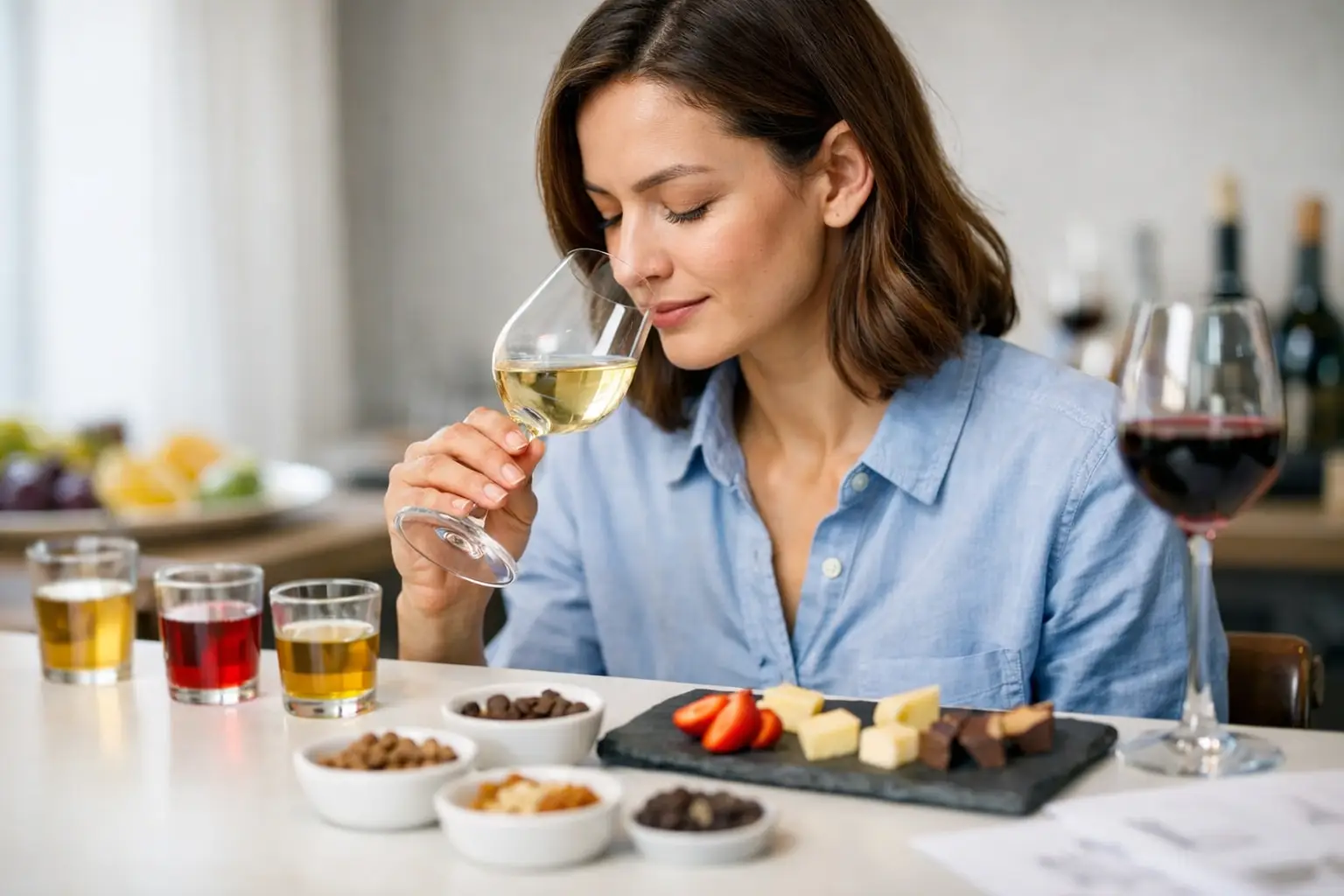
A bottle can be familiar and still hold surprises. Perhaps you have bought the same red for years, or opened a favourite whisky after dinner, yet found yourself thinking, “I know I like this, but I cannot explain why.” That is exactly where sensory tasting begins. If you are wondering how to start sensory tasting, you do not need specialist glassware, a large collection or a trained palate. You need a little time, a clear sequence and permission to notice what is genuinely there for you.
Sensory tasting is not about finding a single correct answer. It is a practical way to pay attention to aroma, texture, flavour and finish, then remember the details that make a drink worth returning to. For adults of legal drinking age who choose to drink, it can turn an ordinary glass at home into a more considered ritual.
How to start sensory tasting at home
Start with one drink you already own and enjoy. Wine, beer, whisky, gin, rum, liqueur and sparkling wine can all be tasted thoughtfully. Beginning with a familiar bottle is often better than beginning with an expensive or supposedly complex one: there is less pressure to perform, and you have a useful reference point for later.
Choose a quiet moment when you are not rushing to cook, answer messages or leave the house. Strong perfume, scented candles and heavily spiced food can cover delicate aromas, so keep the immediate space neutral where possible. A clean, clear glass and a small pour are enough. Water nearby is helpful, particularly with higher-strength spirits.
Temperature makes a real difference. A red wine served very warm may seem heavy and alcoholic; one served too cold can feel closed and austere. Beer and white wine lose character when they are ice-cold, while a spirit can become harder to assess when chilled. You do not need to chase perfect degrees. Simply let the drink sit for a few minutes and notice whether its character changes as it opens.
Look before you smell
Hold the glass against a pale background and take a moment to observe. With wine, notice the colour, brightness and depth. Is it pale lemon, deep ruby, tawny or almost opaque? With beer, look at the head, bubbles and clarity. With whisky or aged rum, consider the shade, but do not assume darker always means older or better.
Looking is not a test of expertise. It sets an expectation that you can later confirm or question. A pale wine might smell fresh and floral, but it may also be richly textured. A dark beer may suggest coffee or cocoa, yet taste surprisingly dry. Tasting becomes more interesting when you allow the glass to change your mind.
Smell in short, patient passes
Your sense of smell does much of the work in tasting. Start without swirling. Take two light sniffs rather than one long inhale and ask a simple question: what does this remind me of?
The first answer may be broad. Fruit, flowers, toast, herbs, citrus peel, vanilla, pepper or fresh bread are all useful starting points. There is no prize for producing an obscure reference. “It smells like a damp garden after rain” may be more accurate and memorable than a technical term you do not fully mean.
Then give the glass a gentle swirl and smell again. Aeration can release more aroma, especially in wine and spirits. Try to separate what you notice into families before becoming very specific. For example, a whisky may first seem sweet and woody, then reveal orange peel, baked apple and smoke. A lager may read as grainy and grassy before you decide whether the herbal note feels more like cut grass, hop flowers or citrus.
If nothing stands out, move away from the glass for a few seconds and return. Your nose adapts quickly. This small reset is often more useful than trying harder.
Take a small sip and map the palate
Take a modest sip and let it travel across your tongue before swallowing. At first, avoid judging whether it is good. Instead, notice its shape and movement.
Ask whether it feels light, medium or full in the mouth. Is the texture silky, creamy, lean, oily, fizzy, warming, drying or crisp? These are not decorative words. They describe physical sensations, and they often explain preference more clearly than flavour alone. Someone may enjoy a Chardonnay because it feels rounded and soft, or prefer a Sauvignon Blanc because its acidity feels energetic and clean.
Next, pay attention to balance. In wine, acidity can make the mouth water, tannin can create a drying grip on the gums, sweetness can round out sharpness, and alcohol can bring warmth. In beer, bitterness may build at the sides of the tongue while malt brings biscuit, caramel or toast. In spirits, sweetness, spice, oak and heat may arrive at different moments.
You are not trying to identify every component in one sip. Choose one clear observation. “Bright acidity, light body and a slightly drying finish” is already a useful tasting note. Specificity grows through repetition, not through forcing a crowded description.
Stay for the finish
After you swallow, pause before reaching for another sip. The finish is what remains: flavour, texture and sensation. Does it disappear quickly, linger gently or stay for a long time? Does it become sweeter, more bitter, spicier, drier or more savoury?
A long finish is not automatically a sign that you should like a drink more. A short finish can be refreshing and exactly right for a relaxed lunch. The point is to recognise the ending because it helps you distinguish two drinks that might have seemed similar at first taste.
Try describing the journey in a single sentence: “It begins with ripe berry fruit, feels smooth in the middle, then finishes dry with a peppery warmth.” That sentence is more valuable than a score because it captures the experience in a way you can use later.
Build your tasting language from real memories
Many people hesitate because tasting vocabulary can seem theatrical. In practice, your most reliable references come from your own life. Think of the foods, places and scents you know well: lemon curd, pencil shavings, black tea, toasted hazelnuts, wet stones, a cupboard of dried herbs, fresh pastry or a bonfire on a cold evening.
Use comparisons carefully. Saying a drink has a note of strawberry does not mean a strawberry was added to it. It means the aroma reminds you of one. Equally, if “strawberry” does not fit but “red fruit sweets” does, use that. Personal accuracy matters more than borrowed language.
It can help to keep a small set of prompts in mind: what is the strongest aroma, what is the texture, what changes after swallowing, and would you choose this again? Those four answers create a clear record without turning a glass into homework.
Keep notes while the memory is fresh
A tasting memory fades faster than most people expect. The label may tell you what you bought, but it rarely captures why you enjoyed it on a particular evening. Save the producer, style or bottle name, the date, your setting and two or three sensory observations. Add a simple preference note such as “excellent with roast chicken” or “enjoyed the nose, but too drying for me”.
Over time, patterns become visible. You may find that you consistently favour crisp, citrus-led whites, malty amber beers or whiskies with orchard-fruit character rather than heavy smoke. This is far more useful than trying to memorise a catalogue of tasting terms.
A guided tool can make this habit easier to keep. Audio Sommelier, for example, uses calm audio prompts to guide each stage and lets members save drinks and notes for later comparison. The value is not being told what you ought to taste. It is having a dependable structure for recognising what you do taste.
Compare only when you have a reason
Once you have tasted a few drinks separately, comparison is one of the quickest ways to learn. Pour two small samples of the same broad category - perhaps two Sauvignon Blancs, two pale ales or two whiskies - and taste them side by side. Keep the order consistent and return to each glass more than once.
Comparison makes contrast easier to notice. One wine may be sharper and more herbal; another may be riper and softer. One whisky may feel weighty and oaky, while the other is lighter with more fruit. There is a trade-off here: larger flights can be enjoyable with friends, but they can also tire your senses. Two drinks are plenty when you are learning.
Give your palate time, not pressure
Your first sensory tasting does not need to produce a polished note or a dramatic revelation. It only needs to make your next glass a little clearer. Pour less, pause longer, name one honest sensation and save the thought before it disappears. Confidence follows from those small, repeatable moments of attention.