22 Oct 2026
How to Compare Saved Bottles With Confidence
Learn how to compare saved bottles by style, aroma, texture and finish, turning past tasting notes into clearer, more confident choices at home today.
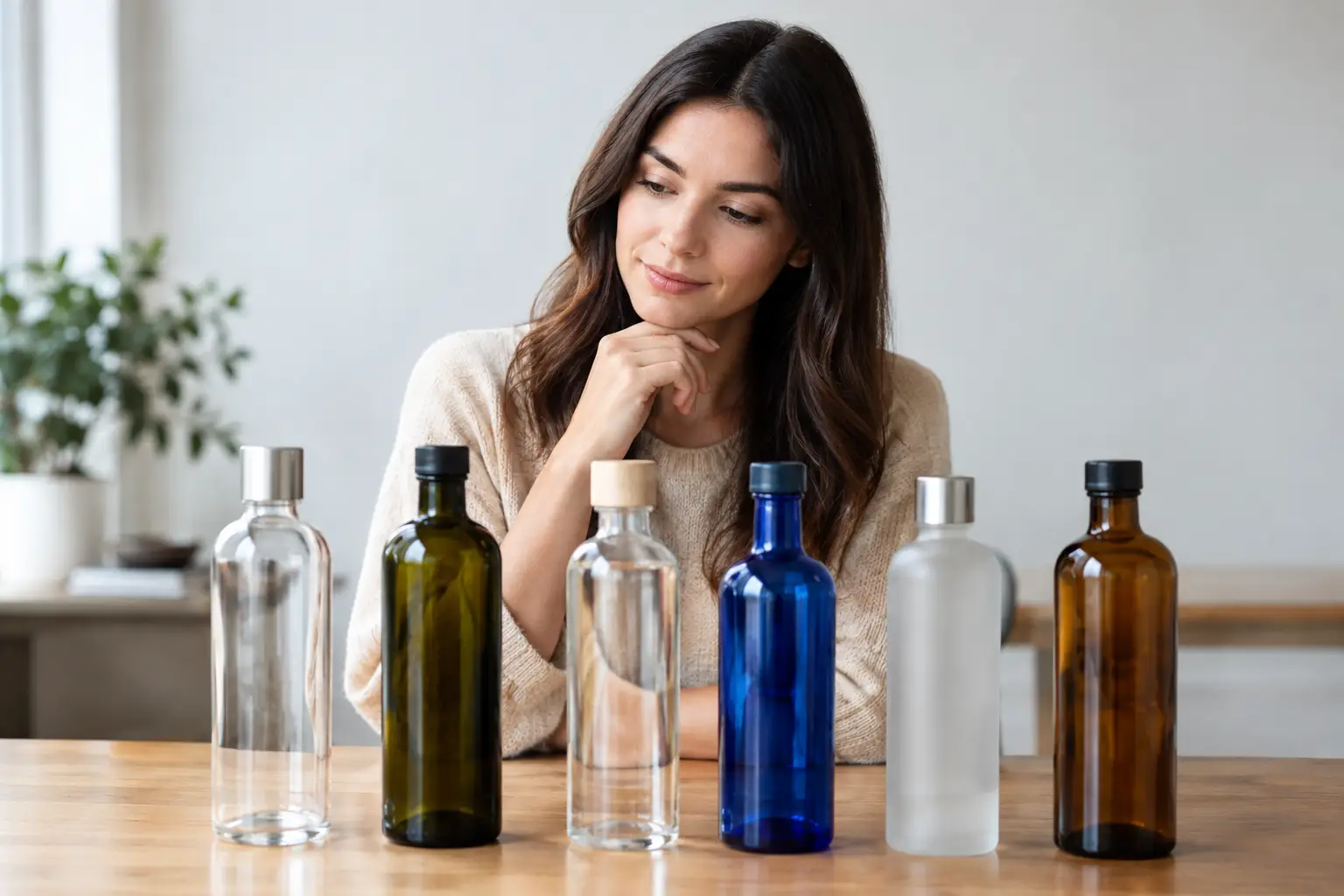
A bottle can be memorable in the moment and strangely difficult to describe a month later. Was that Rioja the one with the warm vanilla finish, or was it the whisky? Learning how to compare saved bottles gives those separate impressions a useful shape. Instead of relying on a vague memory of liking something, you can see why you liked it and choose your next glass with more confidence.
You do not need a trained palate or a cupboard full of rare releases. A few saved wines, beers, whiskies or spirits are enough to begin. The aim is not to identify every aroma perfectly. It is to notice patterns in your own taste and give them clear, practical language.
What comparing bottles actually helps you learn
A saved bottle is more than a record of what you drank. It captures a point in your tasting journey: what you noticed, the setting, perhaps the food you ate alongside it, and whether you would happily return to it. Comparison turns those individual records into a personal reference point.
You may find that you enjoy white wines with bright acidity but not much oak, or that you prefer whiskies with a creamy texture over those led by dry spice. You might also discover that two bottles you rated similarly pleased you for entirely different reasons. One may have been immediately fragrant and refreshing; the other slower, richer and more contemplative.
That distinction matters when you are choosing a bottle for a quiet evening, planning a meal or buying a gift. It also makes tasting feel less intimidating. Your preference is the evidence. There is no requirement to agree with a critic or use elaborate language.
How to compare saved bottles with a clear question
The best comparisons begin before the first pour. Choose two to four saved bottles and give yourself one simple question to answer. For example: which red feels lighter and fresher? Which whisky has the softer finish? Which sparkling wine would I serve before dinner?
A focused question stops the exercise becoming a hunt for every possible flavour. It gives your senses a job to do. If you are new to comparison, choose bottles that have a meaningful connection: two Pinot Noirs, two peated whiskies, or a lager and a pale ale. Familiar categories make similarities and differences easier to notice.
There is value in contrast too. Comparing a crisp Sauvignon Blanc with a rounded Chardonnay can quickly reveal how acidity, fruit character and oak influence your enjoyment. Just be clear about what the contrast is teaching you. If bottles are very different in strength, sweetness or serving style, they are less useful for deciding which is objectively ‘better’ and more useful for understanding your mood and preferences.
Keep the conditions reasonably fair
Small details can change a glass. Serve each bottle at a suitable temperature, use clean glasses, and avoid strongly scented candles, cooking smells or perfume where possible. If you are comparing wine, pour modest amounts and taste lighter, drier styles before richer or sweeter ones. For spirits, a small sip of water between samples can reset your palate; adding a few drops to a higher-strength whisky may reveal more aroma.
You do not need laboratory conditions. The point is consistency, not perfection. Taste at a time when you are not rushed, and keep water nearby. If you are serving food, try the bottles first on their own. Then taste with the dish and note what changes.
Compare in the same order every time
A repeatable sequence helps you notice more while keeping the process relaxed. Start with appearance, then move through aroma, flavour, texture and finish. Spend a little time with each bottle rather than switching rapidly back and forth.
Appearance sets an expectation, not a verdict
Look at the colour, brightness and depth. A pale white wine may suggest freshness; a deep amber spirit may hint at cask influence. These are clues, not rules. Appearance is useful because it encourages you to slow down before tasting, but it cannot tell you whether you will enjoy the bottle.
Aroma is about families of scents
Take one gentle sniff, then another. You do not need to name a precise fruit or spice. Broad descriptions are often more accurate and more useful: citrus, orchard fruit, dark berry, floral, toasted, nutty, smoky, herbal or creamy.
When comparing, ask which bottle feels more expressive and which feels more restrained. Is one led by fresh fruit while the other seems savoury or woody? Does an aroma become clearer after a few minutes in the glass? Record the first thing you notice, then anything that develops.
Flavour and texture reveal the real difference
Take a small sip and let it move across your palate. Notice whether the bottle feels dry, off-dry or sweet; light, medium or full-bodied; crisp, soft, silky, warming or grippy. Texture is often the missing part of a tasting note, yet it can be the reason a bottle feels especially satisfying.
For wine, compare acidity, tannin and alcohol warmth. Acidity can feel mouth-watering and bright, while tannin can feel drying or powdery, particularly in red wine. For beer, consider carbonation, malt sweetness and bitterness. For whisky and spirits, notice whether the alcohol feels integrated, fiery, oily or smooth, and whether water changes the balance.
Avoid treating smoothness as the only marker of quality. A lively, angular wine may be exactly right with food, while a rounder, softer one may suit a relaxed glass on its own. The useful question is: when would I choose this?
The finish is where preference becomes clearer
After swallowing, pay attention to what remains. Does the flavour disappear quickly, linger gently, or build into a long, warming finish? Is the final impression fresh, bitter, sweet, dry, smoky, spicy or clean?
A longer finish is not automatically better, but it does tell you something about the bottle’s presence. If one saved bottle leaves you wanting another sip and another leaves you ready for water, that is valuable personal information. Write it down without judging it.
Build flights that answer a useful question
A flight is simply a small, purposeful line-up. It can be as easy as three bottles you have already saved, organised around a style, grape, region, producer, cask type or occasion. Keep the selection small enough that your palate stays alert.
Try a ‘weekday white’ flight with three fresh styles, or compare two familiar bourbons with one rye to see how grain character affects spice and sweetness. You could build a celebration flight of sparkling wines and focus only on mousse, fruit and finish. The value comes from repetition: over time, the same categories become easier to read.
In Audio Sommelier, saved items and notes can be brought together as comparative Flights, so your tasting memory becomes something you can return to rather than a collection of disconnected impressions. Use the guidance to stay with one sensory step at a time. No wine knowledge is needed, only curiosity and a willingness to notice.
Make notes that future you can use
A useful note does not need to sound professional. ‘Bright lemon, light and salty, great with grilled fish’ is more helpful than a long list copied from a label. Include what you smelled, how the bottle felt, what stayed after the sip, and the situation in which it worked best.
It can also help to give each bottle a simple preference marker: buy again, enjoy with food, share with friends, or not for me. If your view changes when you revisit it, that is not a mistake. Your palate, the serving temperature and the occasion all influence the experience.
Over several tastings, look for repeated words in your saved notes. Perhaps ‘fresh’, ‘mineral’, ‘cream’, ‘cherry’, ‘smoke’ or ‘gentle spice’ appears often beside bottles you enjoyed. These are the beginnings of your own tasting language. They will be more useful at a wine shop or restaurant than trying to memorise technical terms.
Know when a direct comparison is not fair
Not every pair should be judged side by side. A delicate older wine can seem quiet after a bold, heavily oaked red. A subtle whisky may lose detail after a highly peated one. Sweet liqueurs, high-strength spirits and intensely bitter beers can tire the palate quickly.
When bottles differ greatly, separate the tastings or place the lighter style first. If you are comparing across different occasions, use your saved notes to compare purpose rather than intensity. A beer made for a sunny afternoon should not be penalised because it lacks the weight of an after-dinner whisky.
The most rewarding comparison is not a competition between bottles. It is a calm way to recognise what suits your palate, your table and the moment. Save the detail that felt true, return to it when you are ready, and let each new glass make the next choice a little easier.