4 Oct 2026
A Clear Guide to Wine Tannin Levels at Home
A guide to wine tannin levels: learn how tannins feel, which grapes carry more, and how food, age and serving shape every glass at home with confidence.
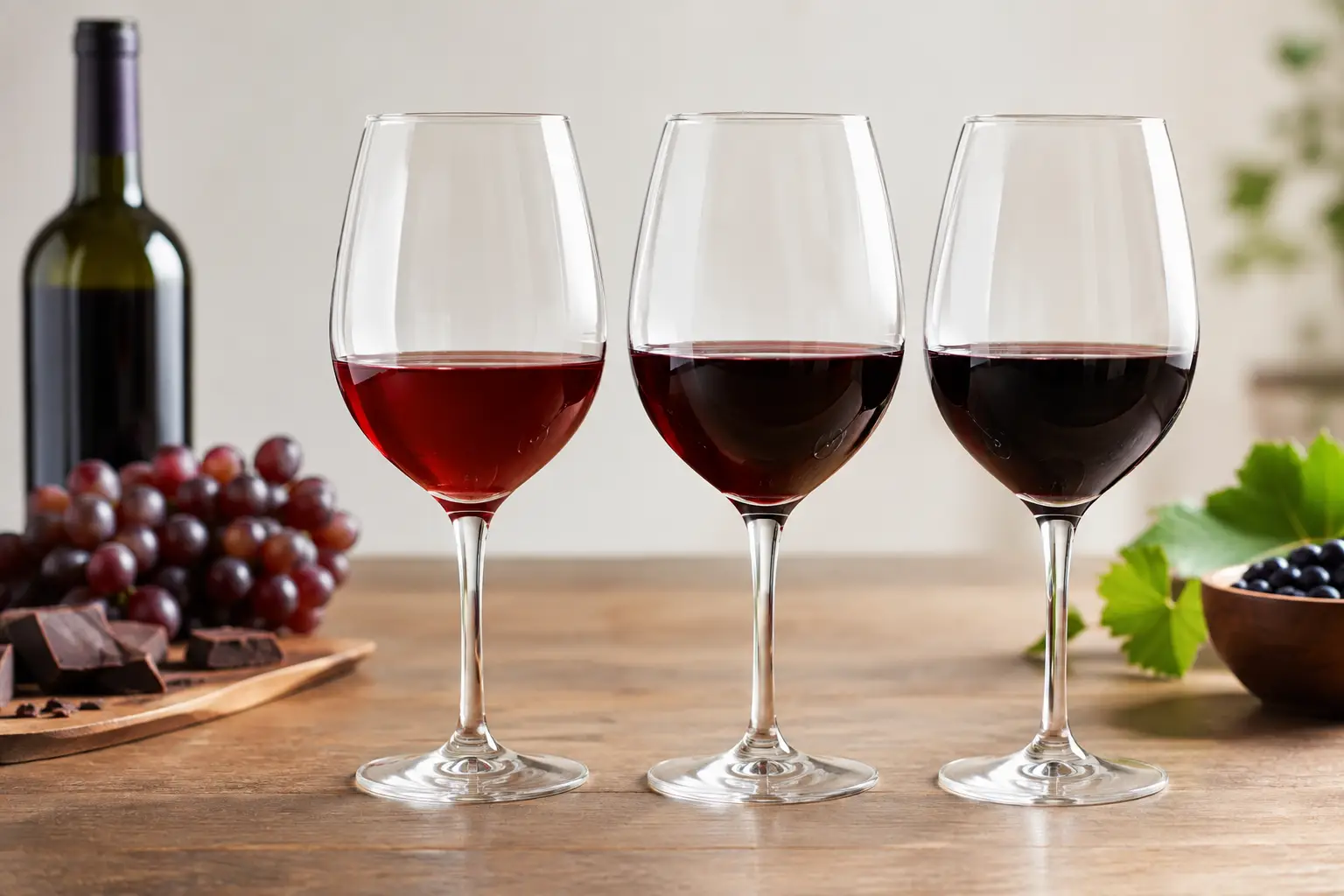
A red wine can leave your mouth feeling softly dry, pleasantly grippy, or as though you have taken a sip of very strong black tea. That sensation is tannin. This guide to wine tannin levels helps you recognise it in the glass, describe it with confidence and choose wines that suit your taste - no specialist knowledge required.
Tannins are not a score for quality. A wine with high tannin can be magnificent, but so can one with almost none. The useful question is not, “Are tannins good?” It is, “How do they feel, and are they in balance with the fruit, acidity, alcohol and food?”
What are wine tannins?
Tannins are natural compounds found in grape skins, pips and stalks. They also come from oak barrels, particularly when a wine has spent time ageing in new oak. During red winemaking, the juice stays in contact with the grape skins, which is why red wines generally contain more tannin than white wines.
You can think of tannin as texture rather than flavour. It does not usually taste like a distinct fruit or spice. Instead, it creates a drying, gripping sensation on your gums, cheeks and tongue. If you have ever noticed that your mouth feels less lubricated after a sip of young Cabernet Sauvignon, you have noticed tannin at work.
Tannins also help wines age. Over time, they slowly soften and link together, often changing from firm and angular to smoother and more savoury. This is one reason some structured red wines benefit from patience, while lighter styles are made to enjoy sooner.
How to recognise tannin in your glass
Take a small sip, let the wine move across your palate, then swallow. Pause before taking another sip. Notice whether your mouth feels dry or slightly rough, especially along the gums and inside of the cheeks. That is the clearest starting point.
Acidity can also make your mouth water, so it is easy to confuse the two. A crisp wine makes you salivate. A tannic wine feels drying. Many wines have both, which is why tasting slowly matters.
Try this simple comparison at home: brew a cup of black tea and leave it to steep for longer than usual. Take a sip once it has cooled. The puckering dryness is a familiar tannin reference point. Wine tannins can be firmer, silkier, chalkier or more powdery, but the basic sensation is similar.
Words that make tannin easier to describe
Rather than reaching for technical language, start with what your mouth tells you. Tannins may feel silky, velvety, soft, fine, powdery, chalky, grippy, chewy, firm or drying.
“Silky” and “fine” often describe tannins that are present but smooth. “Chewy” suggests more volume and grip, without necessarily being harsh. “Green” or “bitter” tannins can indicate underripe grapes or heavy use of stems, and may feel more abrasive. None of these terms need to be perfect. They are useful markers for building your own tasting memory.
A practical guide to wine tannin levels
Wine labels rarely state tannin levels, so grape variety and style offer the best clues. These are broad patterns, not fixed rules. A delicate producer can make a relatively gentle Syrah, while a concentrated, oak-aged example may feel far more structured.
Low-tannin wines
Low-tannin reds are often the easiest place to begin if you dislike a drying finish. Pinot Noir is the classic example, usually offering light to medium body and fine tannins. Gamay, especially in Beaujolais styles, is commonly juicy and fresh with modest grip. Barbera tends to bring bright acidity with lower tannin, while many Valpolicella wines feel light and approachable.
These wines can be especially good with poultry, mushroom dishes, charcuterie or salmon. Their lighter structure means they are less likely to overwhelm more delicate food.
Medium-tannin wines
Merlot often sits in the middle, with rounded fruit and supple tannins, although fuller examples can be more structured. Sangiovese commonly has moderate tannin alongside lively acidity, creating a dry, savoury profile that works beautifully with tomato-based dishes. Tempranillo can also fall into this range, particularly when it has had time to mature.
Medium tannin is often a comfortable place for everyday drinking. There is enough texture to make the wine feel substantial, but not so much that it demands rich food or lengthy ageing.
High-tannin wines
Cabernet Sauvignon is a familiar high-tannin grape, particularly when young. Nebbiolo, the grape behind Barolo and Barbaresco, can feel strikingly firm despite its pale colour. Syrah, Mourvèdre, Tannat and Petit Verdot can also deliver considerable grip, depending on how they are made.
High-tannin wines often need one of two things: time or food. Bottle age can soften the texture, while a meal with protein and fat can make a young, firm red feel more harmonious. A grilled steak, slow-cooked lamb or a rich lentil dish can turn a stern wine into a very satisfying one.
Why two bottles of the same grape can feel different
Grape variety is only part of the story. Winemaking choices and growing conditions can change tannin levels and texture dramatically.
Longer skin contact generally extracts more tannin. Thick-skinned grapes usually have more tannic potential than thin-skinned ones. Warm, sunny conditions can ripen tannins more fully, often making them feel softer and riper, while cooler conditions may produce firmer, more herbal edges.
Oak matters too. New barrels can add their own drying structure, as well as notes of toast, vanilla or spice. Alcohol can make tannin seem warmer and broader. Concentrated fruit can make it feel less severe. This is why the same grape on a restaurant list, in a supermarket bottle or from a small producer may offer a very different experience.
Vintage and bottle age are also relevant. A young Cabernet may feel dense and grippy, while an older bottle can seem gentler, with leather, cedar or dried-fruit notes replacing some of its primary fruit. Neither is automatically better. It depends on whether you enjoy freshness and tension or softer, developed complexity.
Serving and food can change the experience
If a red wine feels too tannic, temperature may be part of the issue. Very warm red wine can taste more alcoholic and heavy, making the tannin seem more forceful. A light chill - around 14 to 16°C for many reds - can make the fruit clearer and the structure feel more balanced.
A little air can help, particularly with young, structured wines. Pour a glass and return to it after 20 minutes, or use a decanter if you prefer. Oxygen will not remove tannin, but it can soften the wine’s overall impression and reveal more fruit.
Food is often the most effective adjustment. Protein interacts with tannin, which is why red wine and steak is more than tradition. Fat can cushion the drying feel, while salty foods may make fruit seem more pronounced. Be cautious with very spicy dishes: high alcohol and firm tannin can amplify heat rather than calm it.
Build your own tannin reference points
The fastest way to understand tannin is to compare wines rather than taste them in isolation. Try a Pinot Noir beside a Merlot, or a Sangiovese beside a Cabernet Sauvignon. Taste each wine, pause, and ask which one leaves the stronger drying sensation. Then consider whether the tannin feels smooth, firm or rough.
Save a short note after each bottle. You do not need a formal tasting sheet. “Loved the soft texture”, “too drying without food” or “better on the second glass with dinner” are genuinely useful observations. Over time, those notes reveal patterns that a shelf label cannot.
Audio Sommelier can support this kind of intentional tasting by guiding you through texture and finish in the moment, then helping you save what you noticed for future comparisons. The aim is not to memorise grapes. It is to recognise what you enjoy.
Tannin becomes less intimidating once you stop treating it as a test. Next time a wine dries your mouth slightly, give that feeling a name, pair it with a bite of food and see how it changes. Your palate is already giving you the answer.