14 Jul 2026
Best Wine Terms for Beginners, Clearly Explained
Learn the best wine terms for beginners, from body and tannin to acidity and finish, so every glass feels easier to taste, describe and remember better.
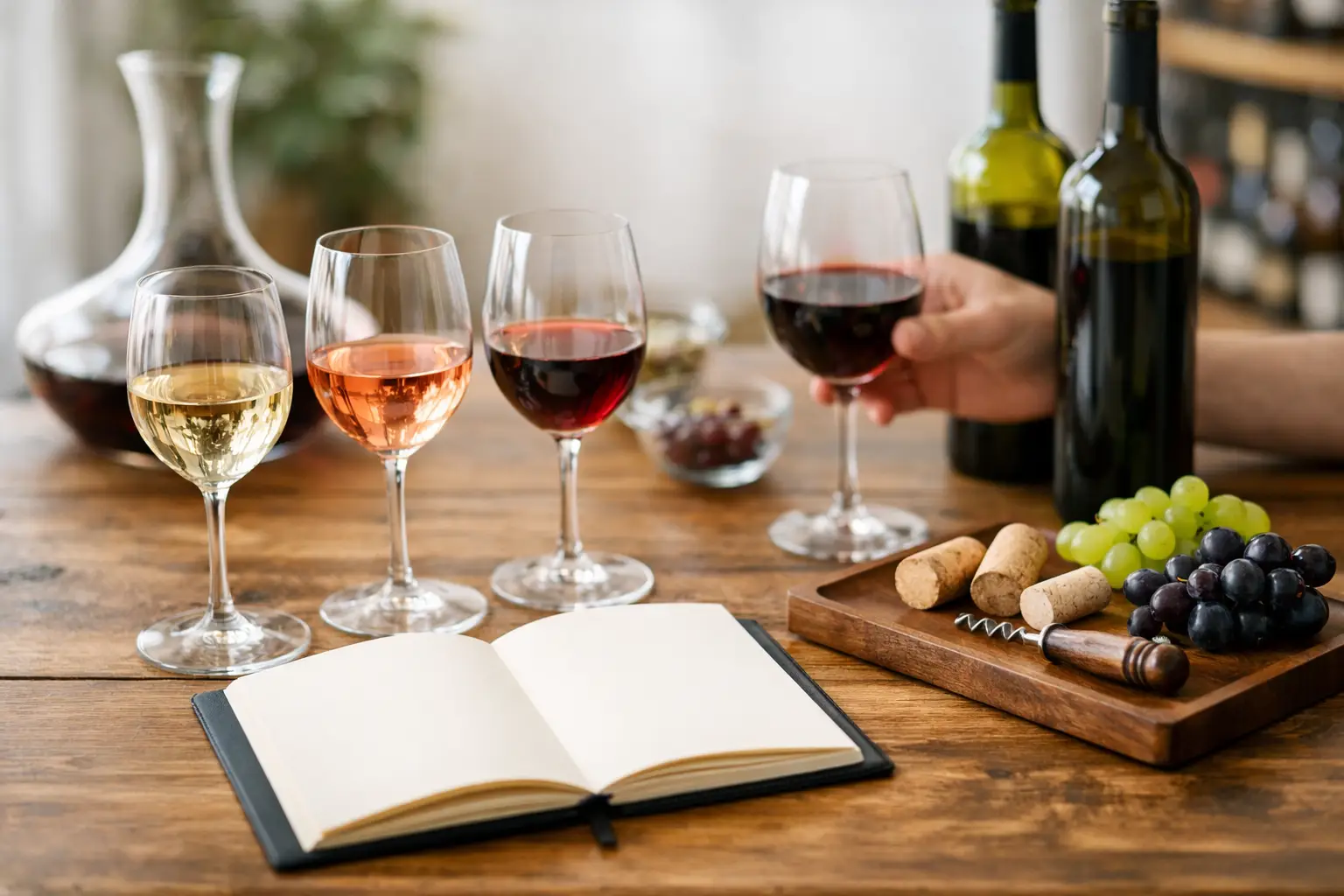
A wine list can make a simple choice feel like a test. Then someone asks what you think of the bottle and words such as tannic, dry and full-bodied suddenly seem to require a dictionary. The best wine terms for beginners are not a performance to memorise. They are practical labels for what you can already see, smell and feel in your glass.
Start with one principle: there is no prize for naming the exact fruit or getting every detail right. If a wine feels fresh, warm, light, rough, smooth or long-lasting, you have noticed something useful. The vocabulary simply helps you make that observation clearer, choose future bottles with more confidence and remember what suited your taste.
The best wine terms for beginners to use first
Dry, off-dry and sweet
These terms describe how much residual sugar is perceptible in the wine. A dry wine is not necessarily drying in texture, and it is not the opposite of fruity. It simply has little noticeable sweetness. Many everyday reds and whites are dry, even when they smell strongly of ripe peaches, berries or tropical fruit.
Off-dry means there is a gentle touch of sweetness. You may notice it in some Rieslings, rosés and sparkling wines. Sweet wines have a clear sugary richness, often balanced by lively acidity. Think of honeyed dessert wines or a late-harvest style.
A useful shortcut is to ask yourself whether the flavour reminds you more of fresh lemon juice or lemonade. The first may be dry and sharp; the second may have some sweetness. Neither is better. A dry wine can be beautifully generous, while a sweet wine can be wonderfully refreshing when acidity keeps it in balance.
Acidity
Acidity is the mouth-watering, fresh quality that makes you want another sip. It is especially noticeable along the sides of your tongue and can make your mouth water after swallowing. Wines with high acidity often feel energetic and crisp. Sauvignon Blanc, sparkling wine and many cool-climate whites commonly show it clearly.
Low-acid wines feel softer and rounder. That can be appealing, particularly with richer food, but a wine without enough acidity for its style can seem flat. When you say a wine is fresh, zesty or crisp, you are usually describing acidity. When you say it is sharp or tart, you may be describing a higher level of it.
Tannin
Tannin is the drying, grippy sensation most often found in red wine. If you have ever drunk strong black tea and felt your gums and tongue become slightly furry or dry, you know the basic sensation. Tannins come largely from grape skins, seeds and oak ageing.
A Cabernet Sauvignon may feel firmer and more structured than a soft Merlot because it has more noticeable tannin. Yet high tannin is not automatically harsh. With ripe fruit, time in the bottle or a well-matched meal, it can feel polished and satisfying. For early practice, describe tannin as low, medium or high, then add whether it feels soft, powdery, firm or grippy.
Body
Body describes weight and texture, rather than alcohol level alone. Picture the difference between skimmed milk, semi-skimmed milk and full-fat milk. A light-bodied wine feels delicate and easy on the palate, while a full-bodied wine feels broader, richer and more substantial.
Pinot Grigio is often light-bodied. A concentrated Shiraz can be full-bodied. Many wines sit comfortably in the middle. Body is particularly helpful when choosing food: lighter wines tend to work well with lighter dishes, while fuller wines can stand up to roasted meats, creamy sauces and richer flavours.
Alcohol and warmth
Alcohol can add body, but it also creates warmth. After swallowing, you may feel a gentle heat in the back of your throat or chest. This is more noticeable in some fuller reds and ripe, sunny-climate whites.
There is no need to guess the percentage from taste. Simply notice whether the alcohol feels integrated or whether it stands out. A wine can be high in alcohol yet balanced if it has enough fruit, acidity and texture. If the warmth dominates, it may feel hot.
Aroma, flavour and the language of fruit
Aroma is what you smell before tasting. Flavour is the overall experience once the wine is in your mouth, combining taste, aroma and texture. The distinction matters because much of what we casually call taste is actually detected through smell.
Give the glass a gentle swirl, then take two short sniffs rather than one dramatic inhale. You might notice fruit, flowers, herbs, spice, earth, wood or something savoury. Be specific only when it comes naturally. “Red fruit” is a perfectly good observation if you cannot decide between raspberry and cherry.
Fruit descriptions do not mean fruit has been added to the wine. They are comparisons. A white might suggest lemon, apple, pear, peach or passion fruit. A red may bring to mind strawberry, plum, blackberry or blackcurrant. The fruit can also seem fresh, ripe, cooked, dried or jam-like. Those small distinctions often tell you more than an elaborate tasting note.
Oak and oak ageing
Oak refers to the influence of wooden barrels or, occasionally, oak alternatives used during maturation. It can bring aromas and flavours such as vanilla, toast, cedar, clove, coconut or smoke. It can also make a wine feel rounder.
An oaked Chardonnay may taste creamy, toasty or buttery alongside its fruit. An unoaked Chardonnay is more likely to show direct apple, citrus or stone-fruit character. Neither style is more sophisticated. If you enjoy a clean, bright profile, you may prefer little or no oak; if you like a richer, spiced feel, oak may be welcome.
Earthy and savoury
Not every useful wine word is fruity. Earthy can suggest damp soil, mushrooms, forest floor or dried leaves. Savoury may bring to mind herbs, olives, leather, tobacco or broth. These notes are not faults by default. In the right wine, they add complexity and can make it particularly good at the table.
If those terms sound unappealing, use your own plain language first. Does the wine feel less sweet-fruited and more herbal? Does it remind you of a woodland walk after rain? Clear personal reference points are more valuable than borrowed jargon.
Structure: how a wine holds together
Wine professionals often use structure to describe the framework created by acidity, tannin, alcohol, sweetness and body. For a beginner, it means asking whether the parts feel in proportion. Is the sharpness lifted by fruit? Does the drying tannin suit the weight of the wine? Is the alcohol warming but not distracting?
Balance does not mean every element is equal. A crisp Sauvignon Blanc can be deliberately high in acidity, and a Barolo can be deliberately tannic. Balance means the style feels coherent rather than disjointed. This is one of the most useful terms when you cannot identify every aroma but know that the wine feels complete.
Complexity is different. A simple wine may offer one or two clear flavours and be thoroughly enjoyable. A complex wine changes as you smell and sip, revealing layers of fruit, spice, floral notes and savoury detail. Complexity is often rewarding, but it is not a requirement for pleasure on a Tuesday evening.
Finish and length: what remains after the sip
The finish is what you notice after you swallow or spit the wine. Does the fruit disappear quickly? Does fresh acidity linger? Do spice, tannin or mineral notes remain? Length describes how long those pleasant flavours continue.
A short finish is not a failure. It is common in lighter, simple wines and can suit an informal glass. A long finish often suggests concentration and balance, but it is only meaningful if the lingering impression is enjoyable. One easy practice is to count quietly for a few seconds after swallowing, then write down the final flavour you notice.
A simple way to practise without overthinking it
Use the same calm order each time: look, smell, sip, then pause. You do not need a special bottle or a formal setting. With any wine you already have, make a note of its dryness, acidity, body, tannin if it is red, and finish. Add one aroma and one flavour if you can.
For example: “Dry white, high acidity, light body, lemon and green apple, short fresh finish.” That is a real tasting note. Over several bottles, the patterns become useful. You may learn that you consistently enjoy high-acid whites, softer reds or a little oak in fuller styles.
Saving these observations matters more than trying to produce impressive notes in the moment. A guided tasting tool such as Audio Sommelier can help you slow down, find suitable language and build a personal record, but your own response remains the point. No wine knowledge is needed to begin.
The next time a bottle offers “bright acidity” or “silky tannins” on its label, treat it as an invitation to check for yourself. Take a sip, name one thing you notice, and let that small moment of attention make the glass more your own.