19 Aug 2026
Digital Tasting Subscription Review, Honestly
Our digital tasting subscription review explains how guided audio, tasting notes and a vault can build confidence with bottles you already own at home.
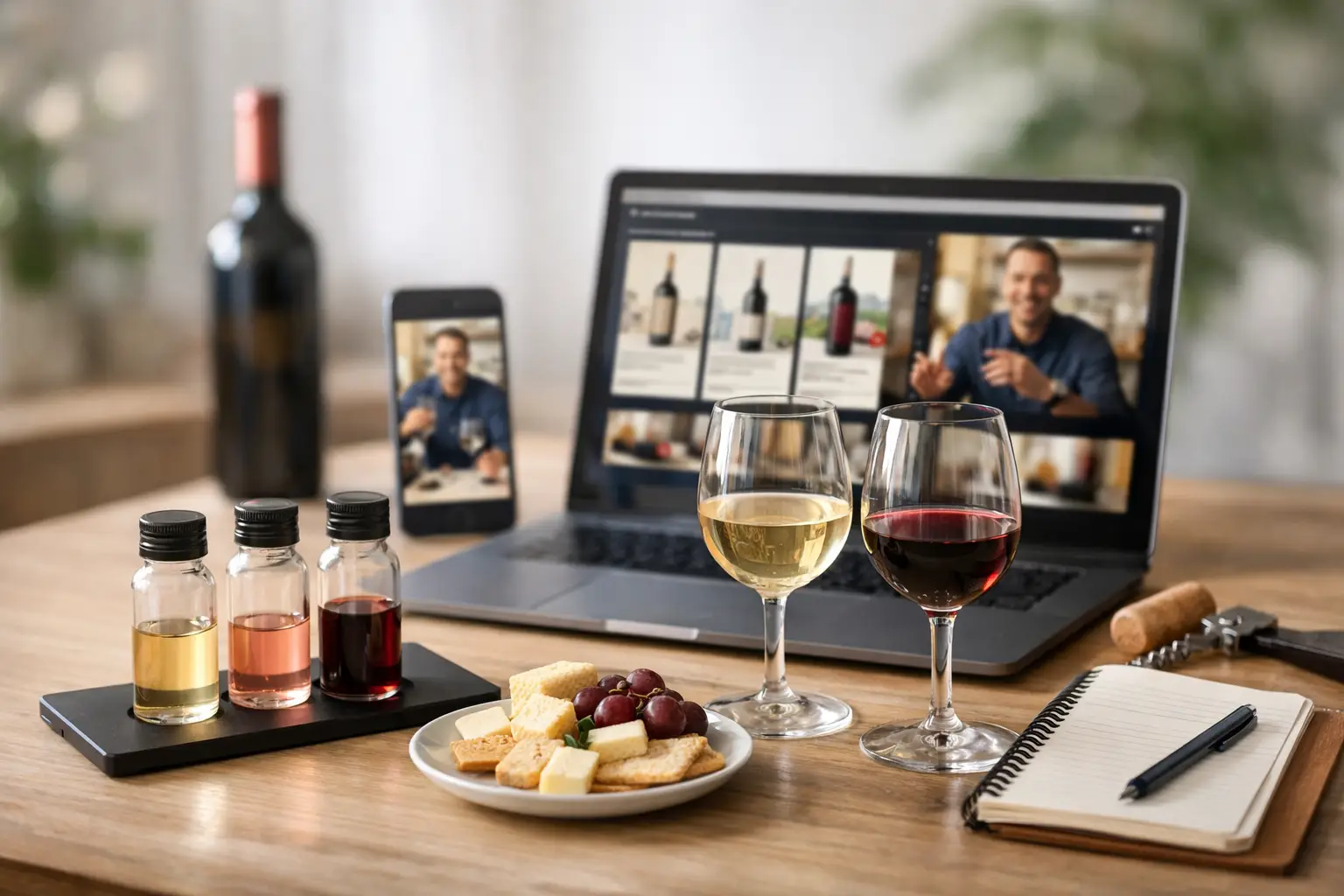
The bottle is open, the glass is poured, and the familiar question arrives: what am I actually meant to notice? A digital tasting subscription review should begin there, rather than with grand promises about becoming an expert. For most people, the value is not in being told what to buy. It is in having calm, useful guidance that helps a Tuesday-night glass of wine, a weekend dram, or a beer shared with friends feel more considered.
Digital tasting subscriptions are not all built in the same way. Some send physical samples. Others focus on live events, expert videos, or broad educational libraries. The model considered here is different: a digital companion that works with bottles you already own, guiding you through what is in your glass and helping you remember what you learned.
What a digital tasting subscription should do
A worthwhile service should make the first sip less uncertain. It should give you a clear place to begin, then help you move naturally through appearance, aroma, texture, flavour and finish. That structure matters because tasting can feel oddly difficult when you are on your own. You may know that you like something, yet struggle to explain whether it is bright, creamy, smoky, dry, warming or simply moreish.
The strongest digital subscriptions turn those vague impressions into language you can use again. Rather than presenting a long list of tasting terms to memorise, they guide attention. You might be asked to pause over fruit, spice, oak, malt, citrus peel, softness, fizz or length. There is no requirement to detect every note. The point is to notice your own response with more confidence.
Audio guidance is particularly well suited to this. Reading detailed prompts while holding a glass can interrupt the moment. A measured voice lets you look, smell and taste at your own pace. It feels less like studying and more like having a knowledgeable host nearby, without the pressure of getting the answer right.
Digital tasting subscription review: the practical experience
The most useful experience follows a simple flow: add the bottle, save it, then start tasting. This removes the awkward gap between opening something and knowing how to use the service. It also makes the subscription practical for a mixed home collection, whether that means a supermarket Rioja, a special bottle of Champagne, a craft stout, a favourite gin or an unopened whisky received as a gift.
Guided sessions work best when they are specific enough to be helpful but open enough to accommodate variation. A wine can taste different after ten minutes in the glass. A whisky may shift with a few drops of water. Your perception can also change with food, temperature and mood. Good guidance acknowledges this rather than pretending that one fixed set of descriptors is the only correct answer.
The ability to save tasting items and notes becomes more valuable over time. A single note such as “liked the soft cherry fruit” may seem modest, but after several tastings it begins to reveal a pattern. Perhaps you regularly enjoy lighter reds with fresh acidity. Perhaps you prefer malty, rounded whiskies to heavily peated ones. Perhaps sparkling wines with a dry finish suit your table more than sweeter styles.
That personal record is where a subscription can become more than a pleasant one-off activity. It builds a tasting memory that is yours, not a generic score from someone else. Audio Sommelier supports this approach with a Smart Vault for saved bottles and notes, plus the option to create comparative Flights from drinks you have explored over time.
Who will get the most value?
This format is especially well suited to curious beginners and casual enthusiasts who already buy drinks for home enjoyment. No wine knowledge is needed. In fact, starting without a rehearsed vocabulary can be an advantage, because the process encourages honest observation rather than imitation.
It can also suit developing hobbyists who have moved beyond simply asking whether they like a drink. If you want to understand why one Chardonnay feels richer than another, why a particular IPA tastes more bitter, or why a rum seems round and warming, structured comparison is far more useful than collecting isolated facts.
For entertaining, a guided tasting can give the evening shape without turning it into a formal class. Choose two or three bottles, pour modest serves, and let each person describe what they notice. The aim is conversation, not a verdict. People often discover that their impressions differ, and that is part of the enjoyment.
There are limits. A digital subscription will not replace visiting a producer, attending a professional course or tasting rare bottles with an experienced group. It cannot alter the quality of what is in your glass, either. If you rarely drink at home or have no interest in pausing to taste, a recurring membership may not earn its place in your monthly budget.
The case for using bottles you already own
A subscription that does not include alcohol may sound less exciting at first. Yet it has a practical advantage: you stay in control of what you buy, where you buy it and how much you spend. There is no delivery to wait for, no unwanted sample accumulating in the cupboard, and no pressure to fit your palate around a pre-selected box.
It also means the guidance can meet you where you are. You can use it with an affordable bottle chosen for dinner, something brought back from holiday, or a special spirit you have been saving. The learning travels with your own habits instead of asking you to adopt someone else’s buying routine.
For legal-age adults, this is a more measured relationship with alcohol. The service is software and education, not an alcohol retailer. The focus is attention, moderation and enjoyment rather than quantity. That distinction can matter to people who want to be more intentional about what they drink.
Is the monthly cost justified?
The right question is not whether a digital membership costs less than a bottle. It is whether it helps you get more enjoyment and understanding from purchases you already make. At €19 per month, a premium service needs to offer more than a collection of general articles or attractive tasting wheels.
Look for guided experiences you will realistically use, a reliable way to keep your notes, and tools that make comparisons easier over time. AI question-and-answer support can also be useful when it provides clear, grounded help: how to serve a style, what to notice next, or how two saved drinks may differ. It should feel like a calm prompt, not a substitute for your own palate.
Value depends on frequency. Someone who enjoys a thoughtful tasting once a week, revisits their notes and builds Flights will likely see clear benefit. Someone who opens one bottle every few months may be better served by occasional free resources or a single guided event. A good review should make room for both answers.
What to check before subscribing
Trust deserves the same attention as the tasting experience. Check that the pricing is clear, the membership terms are easy to understand and payment is handled securely. You should also know what information is saved in your tasting history and whether the platform treats it with appropriate care.
Then consider the tone. Tasting guidance should make you feel more capable, not quietly judged. If every session is filled with technical language, rigid scoring or claims that one palate is superior to another, it may not suit the relaxed learning experience many people want at home.
Finally, consider your preferred format. Audio-led guidance is ideal if you want to keep your hands free and stay present with the glass. Readers who prefer dense written lessons may want something else. Neither choice is better; it depends on whether you want tasting to feel like an activity or a study session.
The verdict
A digital tasting subscription is worth considering when it adds structure to something you already enjoy. Its best role is not to tell you what is good, but to help you recognise what you like, describe it more clearly and return to those discoveries later.
Start with one familiar bottle. Give yourself ten unhurried minutes, notice one aroma and one texture, and write down a phrase that feels true. That small habit can make the next glass more interesting than the last.