2 Sep 2026
7 Best Ways to Track Bottles You Enjoy
Discover the best ways to track bottles, capture tasting notes and compare favourites, so every glass builds confidence and clearer taste over time, too.
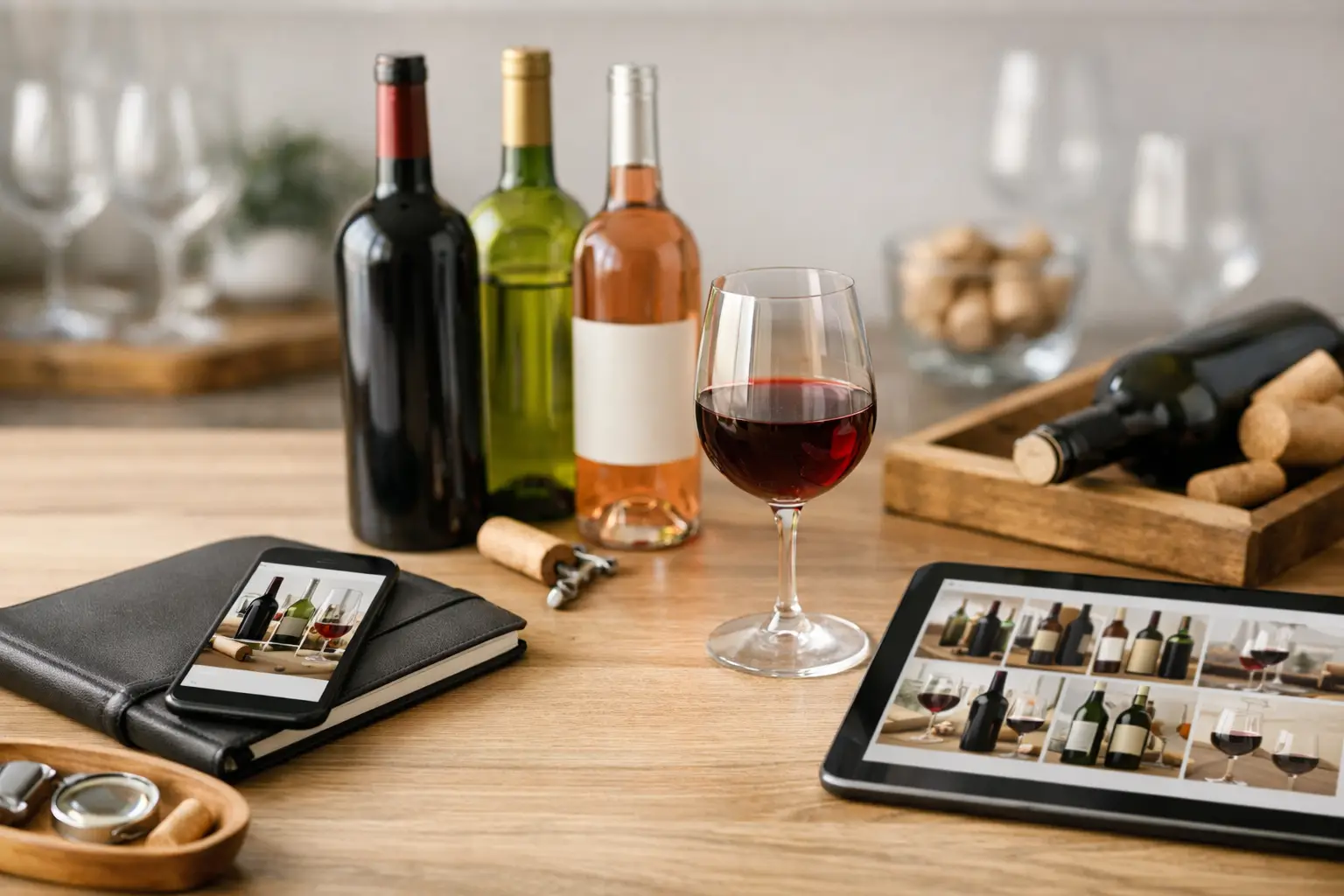
That bottle you loved at a friend’s dinner can become surprisingly hard to describe a fortnight later. Was it the Rioja with the dried cherry finish, or the one that felt softer and more vanilla-led? The best ways to track bottles do more than create a record of what you bought. They help you recognise what you enjoy, explain it in your own words, and choose your next bottle with greater confidence.
You do not need a cellar, a trained palate or pages of technical notes. A useful bottle-tracking habit should fit around real life: a midweek glass, a special occasion, a new whisky shared with friends, or a beer you would happily buy again. The aim is not to score everything perfectly. It is to build a tasting memory that is genuinely useful to you.
Start with the details that help you find it again
Before thinking about flavour, save the practical information. Record the producer, bottle name, vintage where relevant, style, region or country, and where you bought it. A quick photograph of the front and back label is often the simplest safeguard against incomplete information.
This matters most with bottles that have similar names or labels. A whisky may have several expressions, a brewery may release seasonal variations, and the same wine can taste noticeably different across vintages. Capturing the basics means your future self can identify the exact bottle rather than relying on a fuzzy memory.
For spirits and liqueurs, include the bottling strength if it is printed on the label. For sparkling wine, note whether it is Brut, Extra Dry or another style. These small details make later comparisons far more meaningful.
Track bottles at the moment of tasting
The best note is rarely the longest one. It is the one you write while the experience is still clear. If you wait until the next day, you may remember whether you enjoyed the bottle, but not what made it stand out.
Give yourself a simple moment after the first few sips. What did you notice first? Perhaps the aroma suggested lemon peel, plum, toasted nuts or fresh herbs. Perhaps the texture felt creamy, lean, warming, silky or lightly tannic. Then ask a more practical question: would you choose this again, and for what kind of occasion?
A note such as “bright, zesty, good with salty snacks, would buy for a summer lunch” is more valuable than a forced paragraph full of expert terminology. Your own language is the right starting point. It becomes more precise naturally as you taste and compare.
Use a repeatable tasting framework
Consistency is what turns individual notes into a useful personal library. Each time you track a bottle, follow the same gentle sequence: appearance, aroma, taste, texture and finish. You are not trying to identify every flavour present. You are giving your attention somewhere clear to go.
Notice aroma before taking a sip
Take a brief smell without overthinking it. Does the bottle seem fruity, floral, spicy, savoury, smoky, sweet or fresh? Let broad impressions come first. A whisky may smell like orchard fruit and baking spice before you ever decide whether that spice is cinnamon or clove. A red wine may simply feel dark-fruited and earthy.
Describe feel as well as flavour
Many people remember whether a drink was “nice” but struggle to explain why. Texture often supplies the answer. Was it crisp or rounded? Light-bodied or full? Drying, oily, smooth, fizzy, creamy or warming? These observations are especially helpful when comparing whites, sparkling wines, beers and spirits.
Finish with one clear verdict
End each entry with a short judgement: loved it, enjoyed it, interesting but not for me, or would try again with food. A simple rating can help, but it should not replace context. A bottle that earns seven out of ten on a quiet Tuesday might be perfect for a particular meal or guest.
Record the setting, not just the bottle
Taste is personal, and context changes perception. Note the food you ate, the glassware if it was unusual, whether the bottle was served too cold or too warm, and who you shared it with. You may discover that a bold Malbec is a favourite with grilled food but feels heavy on its own, or that a peated whisky is more enjoyable after dinner than before it.
This is not unnecessary detail. It protects you from drawing the wrong conclusion. If a wine seemed closed just after opening, write that down. If it became more expressive after twenty minutes in the glass, that is useful information for the next bottle. Equally, if a beer impressed you at a pub but not from a warm can at home, the serving conditions may explain the difference.
Build comparisons instead of collecting isolated notes
A list of bottles is helpful. Comparisons are where your preferences begin to take shape. Save two or three bottles from the same broad category, then return to them with a question in mind. Which Sauvignon Blanc feels more herbal? Which bourbon has the softer finish? Which lager feels cleaner and more refreshing?
You do not need to taste side by side every time, though that can be revealing. Comparing your notes over several weeks is enough to spot patterns. Perhaps you consistently favour citrus-led whites over heavily oaked styles, or find that you enjoy smoky spirits in small pours but reach for fruitier ones more often.
A digital tasting library can make this easier because bottles, notes and comparisons sit in one place. Audio Sommelier’s Smart Vault, for example, is designed to save tasting items and notes, then help members build comparative Flights from bottles they already know. The point is not to turn your cupboard into a database. It is to make past experiences useful when choosing what to open next.
Add a photo and keep your system easy to search
Whether you use a notebook, spreadsheet or digital vault, searchability matters. Photos are invaluable for labels, while a few consistent tags make your records much easier to revisit. You might tag by occasion, flavour family, food pairing, price band or whether you would repurchase.
Avoid creating too many categories at the beginning. If every entry needs ten tags, you will stop using the system. Start with two or three that match the decisions you actually make, such as “weeknight”, “dinner party”, “gift idea” or “repurchase”. Add more only when you notice a real gap.
Price is worth tracking, but it should be handled with care. A more expensive bottle is not automatically a better match for your taste. Recording value in your own terms is more helpful: “excellent for the price”, “special-occasion only” or “not worth buying again at this cost”.
Return to favourites with fresh attention
Your notes should not become fixed verdicts. Palates develop, bottles vary, and your mood or meal can shift the experience. When you revisit a favourite, add a new entry rather than overwriting the old one. You may find that your first impression still holds, or that you now notice something different.
This is particularly useful for wine vintages, cask-aged beer and spirits tasted in different settings. It also takes pressure off the first tasting. You do not need to get everything right immediately. You are building familiarity over time.
Choose the tracking method you will genuinely use
A paper notebook can feel personal and satisfying, especially if you enjoy slowing down with a drink. A spreadsheet offers flexibility for sorting and filtering. A dedicated tasting tool adds structure, prompts and a place to compare bottles. There is no universally best choice.
The trade-off is simple: a detailed system provides more insight, but only if it remains easy enough to use after a long day. For many people, the ideal approach is quick practical details and a few sensory notes at the time, followed by deeper reflection only when a bottle deserves it.
Start with the bottle already open. Take a photo, write three honest observations, and leave yourself one reason to return to it or move on. That small ritual can make every future choice feel less like a guess and more like part of your own developing taste.