7 Aug 2026
Audio Tasting Guide vs Videos for Better Tasting
Compare an audio tasting guide vs videos to find the calmer, more practical way to notice aroma, texture, flavour and finish in every glass at home with ease.
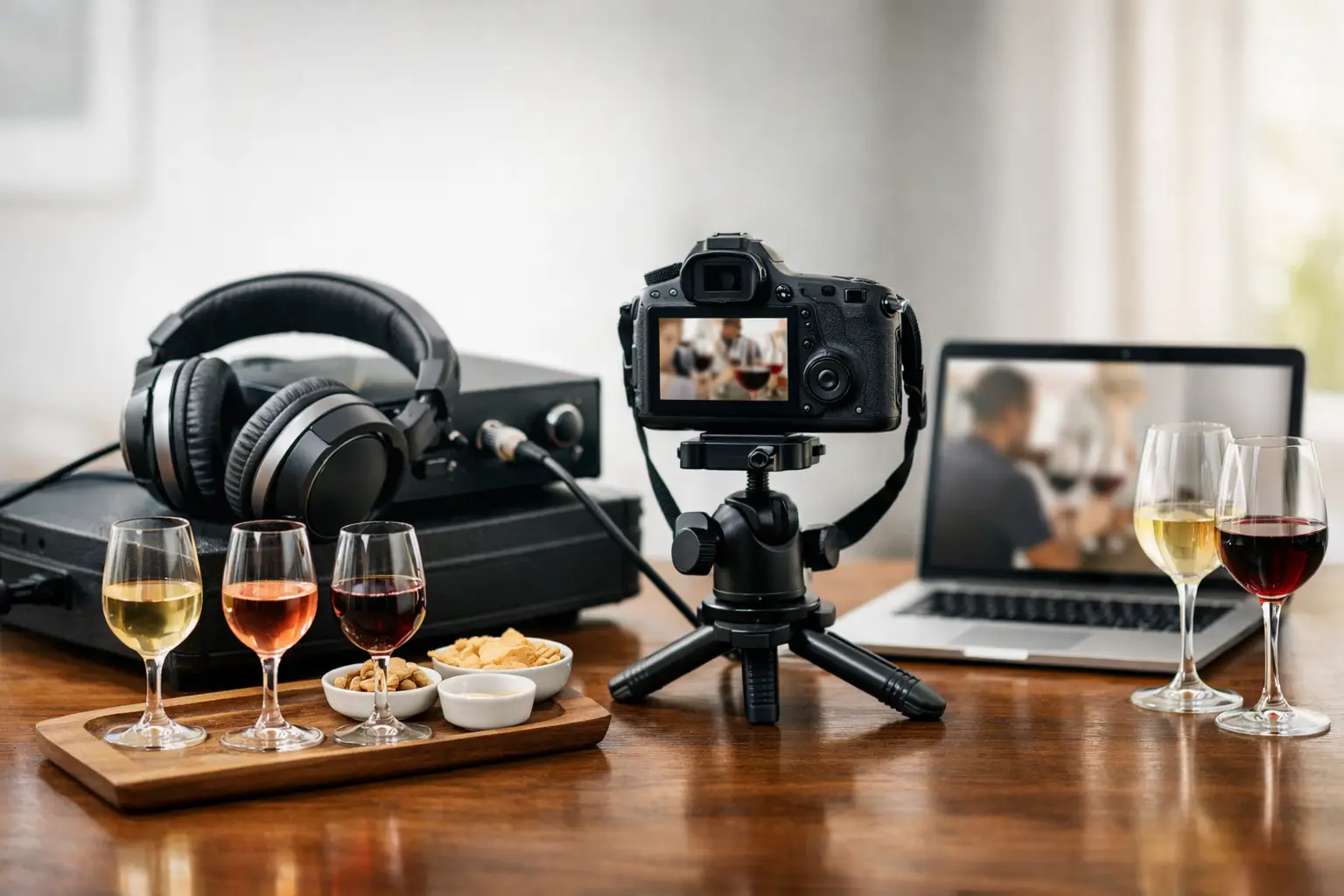
A bottle can be interesting long before you know the right words for it. The question behind audio tasting guide vs videos is not simply which format is more entertaining. It is which one helps you stay present with the glass, notice more clearly, and build confidence without turning a quiet drink into a screen-based lesson.
For many people, video is the familiar starting point. You can watch someone swirl a wine glass, point out a whisky’s colour, or describe a beer’s foam. Yet tasting is physical and personal. You need to smell, sip, pause and decide what is happening for yourself. Audio often supports that process better because it guides your attention while leaving your hands, eyes and pace free.
Audio tasting guide vs videos: the key difference
The real difference is where your attention goes. A video asks you to look outward, towards a presenter, a bottle label or a demonstration. An audio tasting guide asks you to look inward, towards your own sensory response.
Neither is automatically better in every situation. Video can be useful when technique needs to be shown, such as the correct way to open a sparkling wine bottle or the visual difference between beer styles. But when the bottle is already open and in front of you, visual instruction can become a distraction. You may find yourself trying to copy someone else’s reaction rather than noticing your own.
Audio creates a more natural tasting rhythm. A calm prompt can invite you to lift the glass, take a gentle smell, and wait for the first impression. There is no need to keep glancing at a screen with wet hands or interrupt a conversation to check the next step. The guidance remains available, but the drink stays at the centre.
Why audio suits sensory attention
Tasting is not a test of whether you can identify twenty flavours on command. It is the practice of paying attention. Is the aroma fresh or rich? Does the texture feel light, creamy, warming or dry? Does the finish disappear quickly, or does it stay with you?
These are questions best answered with a little space. Audio gives you that space. Instead of presenting a fixed visual sequence, it can use short, considered cues that allow you to smell before hearing an explanation. This matters for beginners especially. If you are shown a list of supposed flavours too early, it is easy to feel that you have missed something or got the answer wrong.
A well-designed audio guide can say, in effect, start where you are. You may notice ripe apple, toasted nuts, citrus peel, cocoa, herbs, pepper, or simply something clean and bright. Any honest observation is a useful starting point. Over time, those small observations become better tasting language.
There is also a practical benefit. A tasting often happens at a dining table, on the sofa, in the garden, or while preparing food. Audio fits those settings with less friction than video. You can listen through a speaker or headphones, keep the bottle and glass in view, and remain part of the occasion.
When videos genuinely help
Video should not be dismissed. It is particularly helpful when a visual reference makes the lesson clearer. A short demonstration can show how much to pour, how to hold a stemmed glass, or why serving temperature changes the character of a drink. For someone choosing glassware or learning a production process, visual explanation can make an unfamiliar subject less abstract.
Videos can also bring energy to a group event. If friends are trying a new cocktail style or hosting a themed tasting, a presenter on screen may create a sense of occasion. The trade-off is that video tends to set the pace. People often pause, rewind, talk over the presenter, or wait for the next instruction rather than following their own senses.
The most useful videos are usually short and specific. A two-minute explanation of a technique can prepare you well. A twenty-minute tasting video may be less helpful once you are holding a glass and want to focus. The format works best as a demonstration, not necessarily as a companion for every sip.
The case for a guided audio tasting at home
At-home tasting should feel welcoming, not performative. You do not need special knowledge, expensive equipment, or a perfect vocabulary before you begin. You need a drink you are curious about, a few unhurried minutes, and guidance that tells you what to pay attention to next.
An audio-led experience is built around that simple flow. Start with the appearance if it helps, then move to aroma, flavour, texture and finish. Each stage has a purpose. Looking can set expectations, but smelling often reveals the most detail. The first sip gives an overall impression, while a second, slower sip can reveal structure: sweetness, acidity, tannin, bitterness, warmth, weight and length.
Because the guidance is spoken, you are less likely to rush. A useful pause after each prompt is not empty time. It is the moment your senses need. You may notice that a whisky becomes softer with air, that a red wine feels drier after food, or that a sparkling wine’s mousse changes as it warms. These details are easy to miss when you are watching a screen for the next visual cue.
Audio Sommelier uses this approach to make professional-style tasting feel practical at home. The aim is not to prescribe what a bottle must taste like. It is to help you recognise what you notice, describe it with more confidence, and save the memory for later comparison.
Learning from your own tasting history
The strongest argument for audio is not that it replaces video. It is that it can turn tasting into a repeatable personal habit. A useful guide helps you form observations in the moment, then record the ones worth remembering.
That record matters because taste is contextual. A wine you love at a restaurant may feel different at home. A peated whisky that seemed intense in winter may become a favourite after you have tried a few lighter styles. Without notes, these experiences blur together. You remember liking something, but not why.
Saving a bottle alongside a few sensory notes gives future choices more meaning. Perhaps you discover that you repeatedly enjoy bright acidity, savoury finishes, gentle smoke, or a creamy texture. Perhaps you learn that a style you assumed was not for you simply needed a different serving temperature or food pairing. Those are useful discoveries, and they come from comparison rather than from memorising facts.
A personal tasting record also removes some of the pressure to get every session right. You are building a reference point, not delivering a verdict. A short note such as “fresh, floral, slightly bitter finish” is more valuable than a long description copied from a video because it reflects your actual experience.
Choosing the format for the moment
Choose video when you need to see a technique, want a visual introduction to a region or style, or are creating a social activity around a screen. Choose audio when you want to taste with fewer distractions, develop your own vocabulary, or follow a calm structure at your own pace.
For many drinkers, the best approach is not either-or. Watch a brief video to understand a practical step, then put the screen away and use audio for the tasting itself. This keeps visual learning where it is useful and sensory attention where it belongs: with the glass.
The next time you open a bottle, give yourself permission to slow down. Notice one aroma before you sip, one texture as it moves across the palate, and one feeling that remains after the finish. That is enough to begin tasting with intention.