28 Jun 2026
10 Best Drinks for Tasting Practice
Discover the best drinks for tasting practice, from wine and whisky to beer and tea, with simple tips to build confidence, memory and flavour.
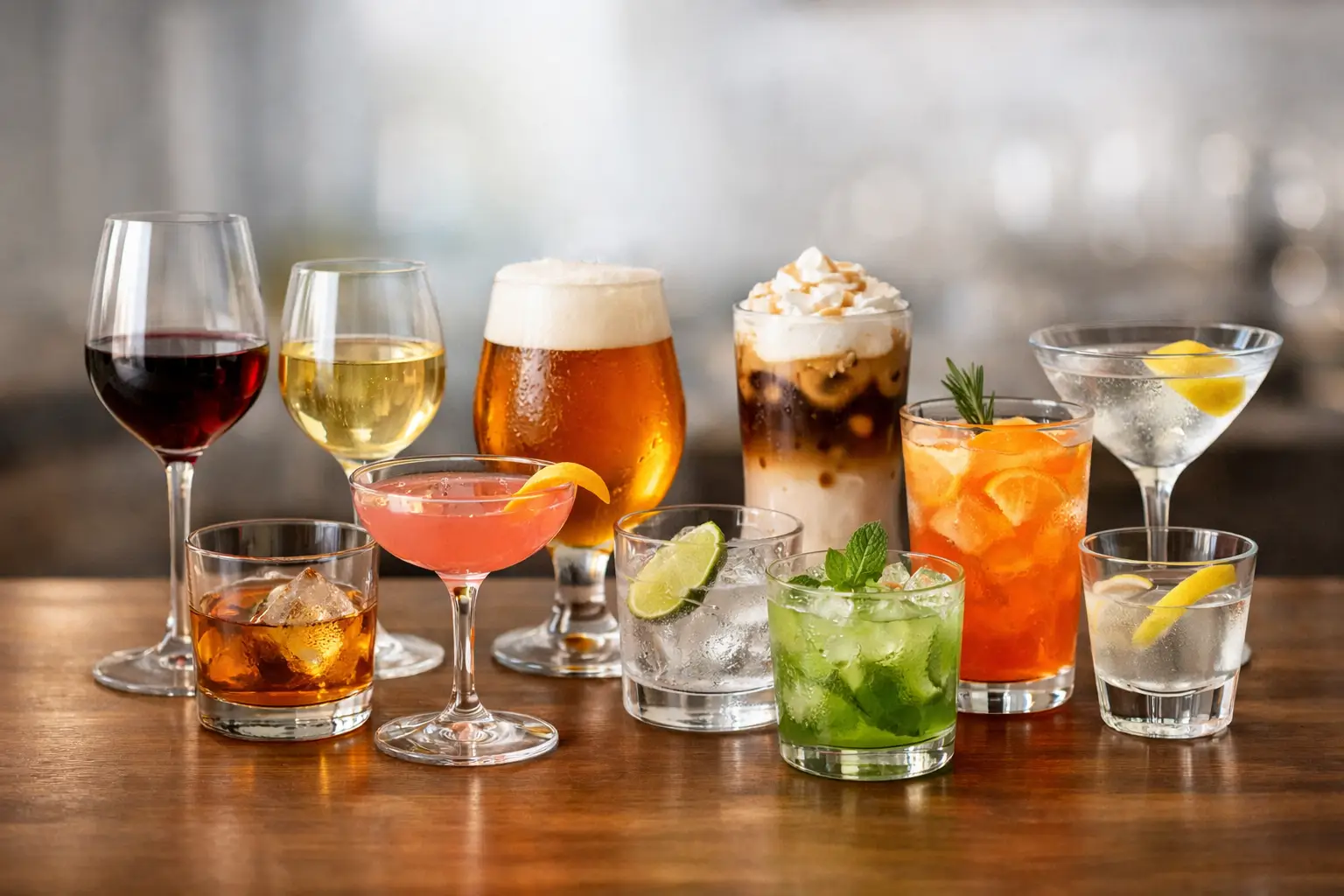
Most people do not need a rarer bottle. They need a clearer starting point. If you are looking for the best drinks for tasting practice, the goal is not to impress yourself or anyone else. It is to train your attention. The right drink gives you enough character to notice aroma, texture, flavour and finish, without overwhelming your palate or your confidence.
That matters because tasting is a skill, not a personality trait. Some drinks are simply better teachers than others. They show contrast more clearly, they make it easier to put words to what you are sensing, and they help you build a memory you can return to later.
What makes the best drinks for tasting practice?
A good practice drink is expressive, accessible and reasonably consistent. You want something that gives obvious clues in the glass - fruit, spice, bitterness, sweetness, creaminess, dryness, warmth - rather than something so subtle that every sip feels like guesswork.
Price matters less than clarity. An affordable Sauvignon Blanc with bright citrus and cut grass notes is often more useful for learning than an expensive, tightly wound bottle that needs years to open up. The same applies across whisky, beer and other categories. For practice, clear signals beat prestige.
It also helps if the style is widely available. Repetition is how tasting improves. If you can return to the same grape, region or beer style several times over a few months, you start to notice patterns. That is when vocabulary becomes easier and personal preference becomes more precise.
10 best drinks for tasting practice
1. Sauvignon Blanc
Sauvignon Blanc is one of the easiest wines to learn from because its aromas are often direct and recognisable. Think citrus, gooseberry, green apple, passion fruit or freshly cut herbs. Even beginners can usually pick up at least one of those.
It is also useful for texture work. Compare a lean, crisp example with a softer, riper one and you begin to understand acidity in a practical way. If white wine feels vague to you, this is often where clarity starts.
2. Chardonnay
Chardonnay is valuable because it teaches contrast. An unoaked bottle can show apple, lemon and mineral freshness. An oaked version may bring vanilla, butter, toast and a rounder texture. Tasting both side by side is one of the fastest ways to understand how winemaking shapes flavour.
This is a better training tool than many people realise. It helps separate grape character from ageing and oak influence, which is a key step in becoming more confident with wine.
3. Pinot Noir
For red wine practice, Pinot Noir is gentle enough to approach without palate fatigue. It often shows red cherry, raspberry, dried herbs and earthy notes, with lighter tannins than many fuller reds.
That lighter structure is helpful. You can focus on aroma and finish without feeling flattened by heavy alcohol or aggressive grip. If bold reds have made tasting feel muddy in the past, Pinot Noir can reset your frame of reference.
4. Shiraz or Syrah
Where Pinot Noir teaches finesse, Shiraz or Syrah teaches impact. Blackberry fruit, black pepper, smoke and firmer body make it easier to notice tannin, warmth and concentration.
It is a strong practice option if you want to understand structure. The trade-off is that very ripe styles can feel quite powerful, so they are best approached in smaller pours and with a little patience.
5. Riesling
Riesling is one of the best drinks for tasting practice if you want to learn sweetness, acidity and aromatic detail at the same time. Lime, blossom, apple and sometimes petrol-like notes give you plenty to explore.
It is especially useful because sweetness levels vary so much. Dry and off-dry examples can seem similar at first glance, but tasting them carefully helps you recognise how sugar changes shape, weight and finish.
6. Single malt whisky
Whisky rewards slow tasting. A good entry-level single malt can show orchard fruit, malt, honey, vanilla, spice or smoke, depending on the style. It encourages you to pay attention not just to flavour, but to development from nose to palate to finish.
For practice, choose a straightforward expression rather than the most cask-heavy or peated bottle on the shelf. Intensity can be exciting, but too much of it early on can hide nuance. A calmer dram often teaches more.
7. Bourbon
Bourbon is one of the clearest spirits for flavour recognition. Vanilla, caramel, oak, baking spice and sweet corn notes tend to announce themselves more readily than in many other categories.
That makes it excellent for building early confidence. If whisky language has felt abstract, bourbon often feels easier to decode. It also helps train your sense of sweetness versus oak bitterness, which is useful across spirits more broadly.
8. Pale ale
Beer deserves a place in tasting practice because it teaches bitterness in a very readable way. A balanced pale ale can show citrus, pine, biscuit malt and a clean, refreshing finish.
It is approachable and expressive without being too extreme. A heavily hopped IPA can also be useful, but for many people it is better as a second step. Pale ale gives you enough hop character to learn from without turning every note into a blast of resin and grapefruit.
9. Dry cider
Dry cider is often overlooked, which is a shame. It is brilliant for noticing acidity, tannin and orchard fruit character in a different format from wine. Good cider can show apple skin, bruised fruit, blossom, earth and a gently savoury edge.
Because many people have fewer preconceptions about cider, they often taste it more openly. That can make it a surprisingly effective confidence-builder.
10. Black tea
Strictly speaking, tea is not part of alcohol tasting, but it is one of the most practical training tools available. Black tea helps you recognise astringency, temperature effects, aroma release and palate texture without alcohol clouding the picture.
That makes it ideal between more formal tasting sessions. If you want better sensory language, practising with tea can sharpen your attention quickly and at very low cost.
How to choose the right drink for your level
If you are new to tasting, begin with drinks that have obvious markers. Sauvignon Blanc, bourbon and pale ale are often kinder first steps than older Burgundy, cask-strength whisky or mixed-fermentation beer. You are not choosing the most sophisticated option. You are choosing the clearest lesson.
If you already know the basics, contrast becomes more important than simplicity. Taste oaked and unoaked Chardonnay, compare two single malts from different regions, or try a dry Riesling against an off-dry one. Improvement usually comes from comparison, not from drinking more of the same thing without attention.
It also depends on what you actually enjoy. Practice works best when it fits naturally into your routine. If you never drink red wine, forcing yourself through endless Cabernet tastings is not especially helpful. You will learn faster from categories you are happy to revisit.
A simple way to practise without overthinking it
Pour a small amount, then pause before the first sip. Notice the aroma first. Is it fresh, ripe, floral, spicy, earthy or toasty? Then taste and focus on one thing at a time - sweetness, acidity, bitterness, body, texture, finish.
Try not to chase perfect terminology. Plain language is enough. Lemon, green apple, pepper, honey, dry, soft, warming, sharp - these are all useful tasting words. Confidence grows when you describe what you truly notice, not what you think you ought to notice.
Saving your impressions also matters more than people expect. Memory is where tasting becomes a skill. If you keep even short notes, you begin to see patterns in what you enjoy and what you tend to miss. That is one reason guided platforms such as Audio Sommelier can feel so practical at home - they turn a nice drink into a repeatable learning moment.
Common mistakes when picking practice drinks
One of the biggest mistakes is choosing something because it sounds prestigious. Famous names can be wonderful, but they are not always the easiest place to learn. Another is tasting only one style repeatedly without contrast. If every white wine you try is rich and oaked, your palate has little chance to understand what makes that style distinctive.
Serving conditions matter too. A warm white wine, an over-chilled red or a spirit poured too generously can blur detail. You do not need laboratory precision, but a little care makes practice much more productive.
The other trap is rushing. Tasting is not improved by speed. A few thoughtful sips teach more than a crowded evening of half-remembered glasses.
Good tasting practice should feel calm, not performative. Choose drinks that reveal something clearly, return to them often enough to build memory, and let your own vocabulary develop in plain English. The more you notice, the more enjoyable every bottle becomes.